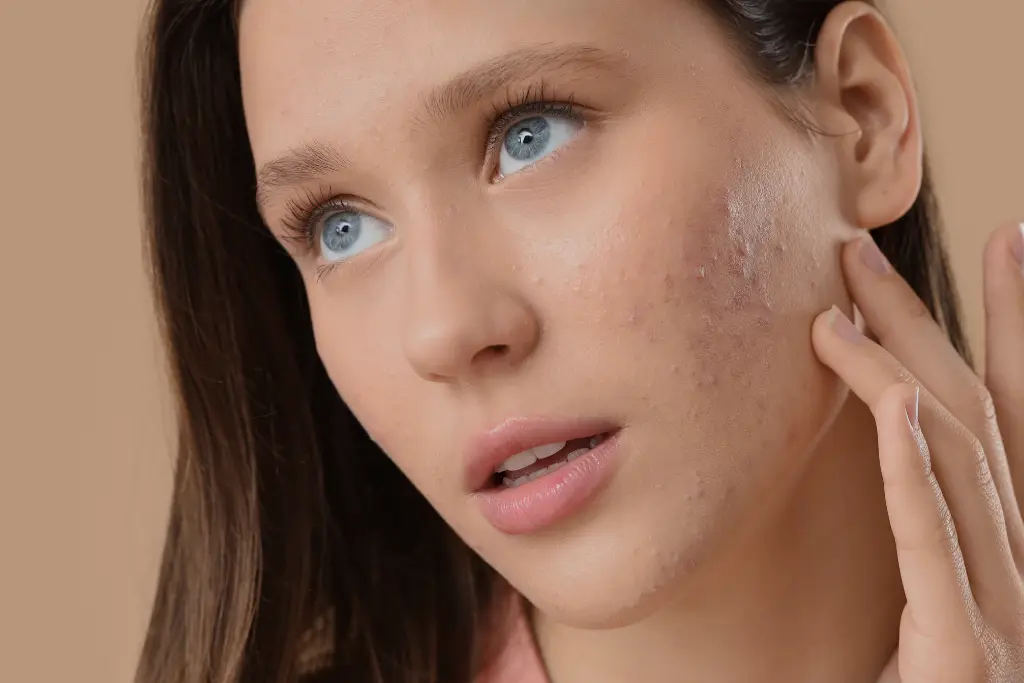
Facial pimples can affect how your skin looks and feels. You may notice uneven skin tone, rough skin, or marks that stay long after breakouts. Over time, this can lead to acne scars, dark patches, or changes in skin texture. Basic products may help for a while, but they often do not treat the deeper cause. At CHERRY HILL SPA by VOUPRE, advanced treatments like the chemical peel support skin renewal and help restore balance for clearer, healthier skin.
What causes facial pimples?
Facial pimples form when pores become blocked with oil, dead skin cells, and bacteria. This can lead to swelling and visible breakouts.
Other factors include hormones, taking birth control pills, stress, and certain skin conditions. Over time, repeated breakouts may affect the outer layer and deeper layers of the skin, leading to uneven tone and marks.
Understanding the cause helps guide the right treatment.
How chemical peels help with facial pimples
A chemical peel is a treatment where a chemical solution is applied to the skin. This solution removes damaged layers and allows fresh new skin to form. If you’re having a medium peel, you might receive a sedative and painkiller. For a deep peel, you might have a sedative, something to numb the treatment area.
Superficial peels can be used on all skin types. However, if you have a darker skin tone, you have a greater risk of experiencing a darkening of your skin
As the skin renews, it helps clear clogged pores, improve skin appearance, and reduce breakouts. The skin will eventually peel, revealing a smoother surface.
This process also helps improve uneven skin, reduce brownish discoloration, and support long-term clarity.
Please remember, a chemical peel may not be the right choice if you’ve used an oral acne medication in the last six months, you tend to get large, raised scars (keloids), or you’re pregnant.
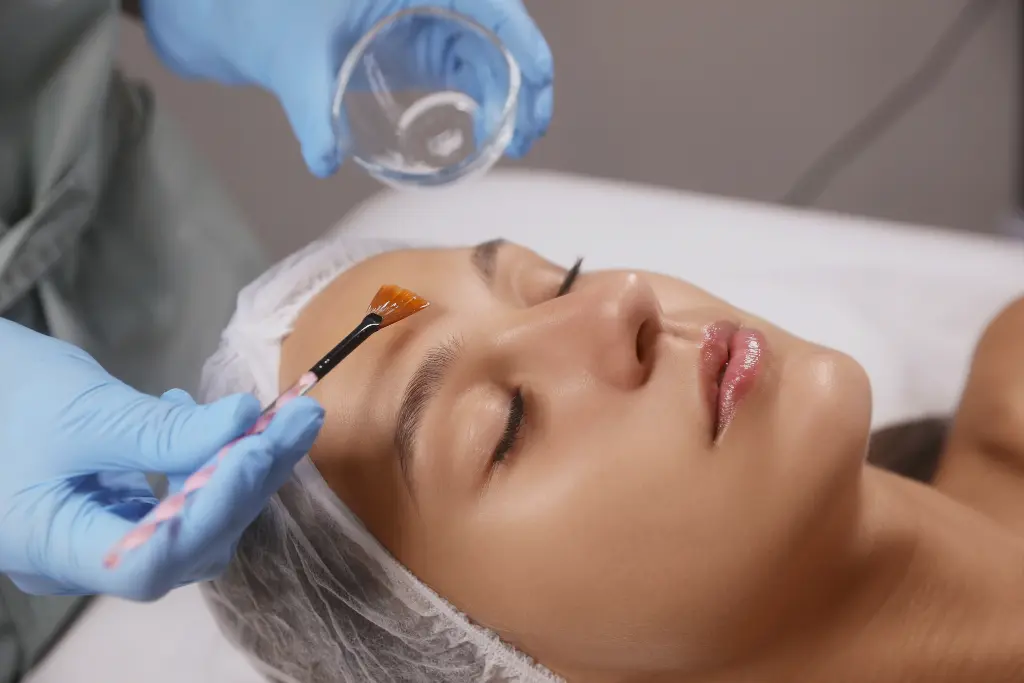
Types of chemical peels for acne
There are different types of chemical peels, each suited to specific concerns and skin types.
Light chemical peel
A light chemical peel, also known as a light peel or lunchtime peel, works on the outer layer of the skin. It uses ingredients like glycolic acid, lactic acid, or alpha hydroxy acid.
This type helps with mild acne, mild skin discoloration, and early fine lines. It requires little downtime, and peels may be repeated for ongoing improvement.
Medium chemical peel
A medium chemical peel reaches the middle layer of the skin. It often uses trichloroacetic acid or salicylic acid.
This treatment helps reduce acne scars, improve uneven skin tone, and smooth skin texture. After treatment, the skin may form light skin crusts, and recovery usually takes five to seven days.
It is a good option for moderate acne and visible skin concerns.
Deep chemical peel
A deep chemical peel or deep peel targets more advanced concerns such as deep scars, deep wrinkles, and sun damage.
It may use stronger agents like carbolic acid. In some cases, it may involve general anesthesia and is performed under expert care.
This treatment offers deeper results but requires more recovery and careful planning.
What happens during a chemical peel session?
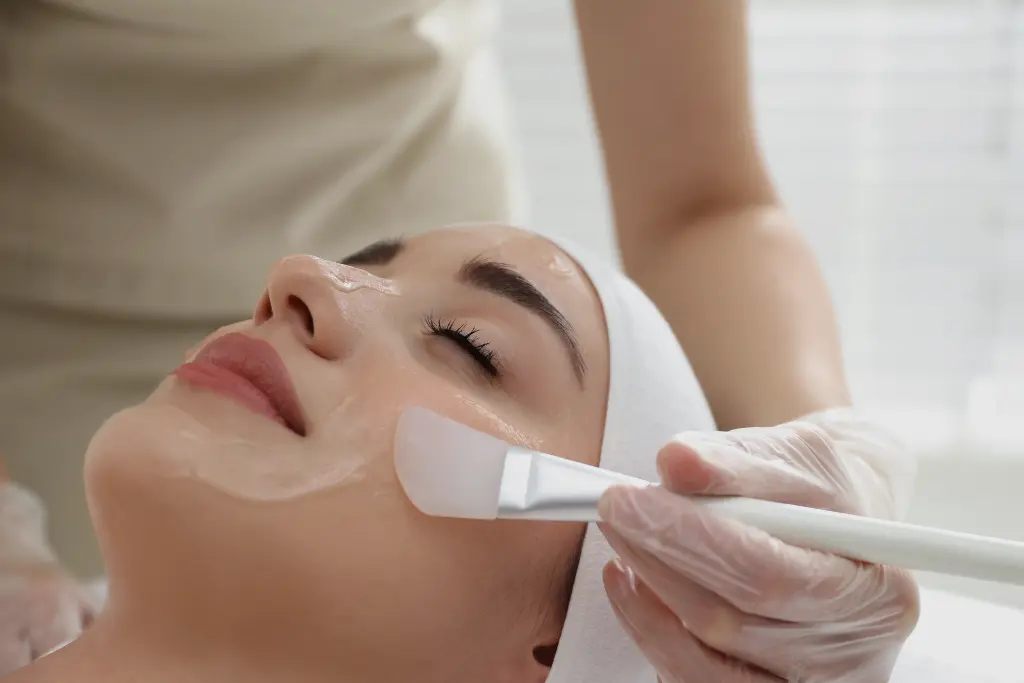
During the session, your skin is cleansed, and the chemical solution is applied evenly.
You may feel mild tingling or warmth. After treatment, the skin begins to renew and may eventually peel.
The treated skin may appear red or sensitive for a short time. Proper care, including keeping the skin moist and using a thick moisturizer, supports healing.
What to expect after treatment
After a peel, your skin heals gradually. You may notice flaking, dryness, or slight redness.
- Avoid direct sun exposure
- Follow sun protection steps
- Use gentle products
- Apply soothing creams or apply ointment if advised
Avoid picking at peeling skin. This helps prevent marks and supports even healing.
How many sessions are needed?
Most clients need more than one session. Peels may be repeated depending on your skin condition and goals.
Light peels can be done more often, while medium and deep peels require longer gaps between sessions.
Results improve over time with consistent care.
Who is this treatment for?
Chemical peels are suitable for many people dealing with acne and uneven skin.
They help with:
- Active breakouts
- Acne scars
- Dark patches and age spots
- Fine lines and wrinkles
- Uneven skin tone
However, those with certain conditions, such as frequent cold sores, may need antiviral medication before treatment.
A consultation helps review your medical history and select the right approach.
Important considerations before treatment
Before treatment, avoid strong products and limit sun exposure. Your provider may guide you based on your skin needs.
Some clients may need to pause certain medications or be advised if they are taking birth control pills or using active ingredients.
For deeper treatments, guidance from trained professionals or a dermatologic surgeon may be required.
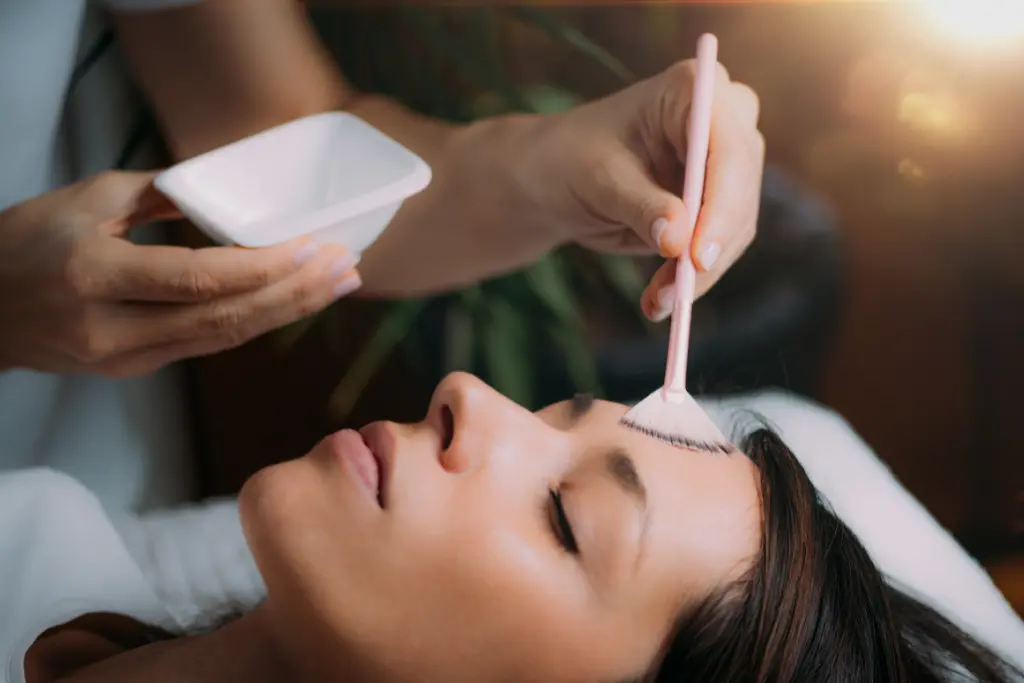
Can chemical peels treat other skin concerns?
Yes, chemical peels can help improve more than acne.
They can address:
- Precancerous skin growths such as actinic keratosis
- Sun damage
- Lines and wrinkles
- Uneven skin tone and texture
They are also used in some dermatological surgery plans and advanced skin care programs.
Why Choose Cherry Hill Spa?
CHERRY HILL SPA by VOUPRE offers a refined approach to acne care and skin renewal.
The spa follows a European-inspired philosophy that focuses on balance and long-term skin health. Treatments are selected based on your skin types, concerns, and goals.
Advanced methods and high-quality formulations are used with care. Each treatment is guided by trained professionals who focus on safe and effective results.
As a trusted MEDICAL SPA IN CHERRY HILL NJ, the spa provides a calm space where clients feel supported throughout their skincare journey.
Conclusion
Getting rid of facial pimples requires more than surface care. Treatments like chemical peels help renew the skin, clear pores, and improve overall tone.
With the right approach, you can reduce breakouts, improve skin texture, and support healthier skin over time.
Consistency and proper care are key to lasting results.
FAQs
How long does it take to see results from a chemical peel?
You may notice changes after the first session, but full results develop over time. Multiple treatments help improve acne and skin tone gradually.
Is a chemical peel safe for all skin types?
Yes, but the type of peel must match your skin types. Special care is needed for a darker skin tone to avoid temporary or permanent change in pigmentation.
Can I wear makeup after a chemical peel?
You should wait until the skin settles before you wear makeup. This helps prevent irritation and supports healing.
Will chemical peels remove acne scars?
Yes, medium chemical peel and deeper treatments can help reduce acne scars and improve texture over time.
How should I care for my skin after treatment?
Keep your skin clean and hydrated. Use a thick moisturizer, avoid sun exposure, and follow all aftercare instructions for best results.
Clear Skin Starts Here
Ready to improve your skin and reduce breakouts? Visit CHERRY HILL SPA by VOUPRE and explore personalized treatments designed for real results.
Book your consultation today and take the next step toward clearer, healthier skin.