Chemical peel downtime ranges from one day to eight weeks. The exact timeline depends entirely on peel depth.
This guide breaks down exactly what to expect, day by day. It covers light, medium, and deep chemical peels separately. You’ll learn when peeling starts, when it ends, and when you’ll see real results.
We’ll also cover warning signs, sun protection, and how skin type affects your specific recovery timeline. Whether you’re planning your first peel or recovering from one now, this timeline helps. You’ll know exactly what’s normal at every stage of the process.
Knowing what to expect ahead of time makes the entire recovery feel far less uncertain. It also helps you plan your schedule around visible peeling, redness, and healing time.
What Determines Your Peeling Timeline?
Chemical peels are categorized by their depth of penetration and active ingredients. Depth is the single biggest factor in downtime.
A light chemical peel affects only the outer layer of skin. A deep peel reaches the middle layer, or mid-reticular dermis, causing longer recovery.
Your individual skin type plays a role too. So does the specific chemical solution used and how well you follow aftercare instructions. No two people heal at exactly the same pace.
Types of Chemical Peels
Chemical peels are categorized into light, medium, and deep types. Each type uses a different chemical solution and reaches a different depth.
- Light peel — uses alpha hydroxy acid like glycolic acid or lactic acid
- Medium chemical peel — typically uses trichloroacetic acid, or TCA
- Deep peel — penetrates furthest, often for severe acne scars or deep wrinkles
Jessner peels are another medium-depth option, combining resorcinol and salicylic acid. Beta hydroxy acid formulas, like salicylic acid alone, are also common. These lighter treatments suit oily or acne-prone skin well.
Some specialty options exist too. Certain proprietary peel formulas combine multiple acids for a specific balance of results and downtime. These target particular skin conditions while managing recovery time.
Day-by-Day Timeline: Light Chemical Peels
Superficial peels are best for mild acne and fine lines, with little downtime (AAD).
Day 0 (treatment day): Skin feels tight, with mild stinging sensation. Redness resembles a mild sunburn. Most people return to normal activities the same day.
Day 1: Redness may still be present. Light peels may cause redness lasting up to 12 hours in many cases. Skin often feels slightly rough to the touch.
Day 2 to 3: Mild flaking begins around the nose and mouth. Skin cells shed gradually, revealing new skin underneath. This shed skin is typically fine and barely noticeable.
Day 4 to 5: Flaking typically finishes. Skin appearance looks brighter, with improved skin texture already visible. Most people feel comfortable resuming their full skincare routine at this point.
Day-by-Day Timeline: Medium Chemical Peels
Medium peels require 7 to 14 days for recovery (AAD).
Day 0 to 2: Skin looks red and swollen, similar to a mild sunburn. Some tingling or stinging sensation continues. Swelling may be most noticeable around the eyes.
Day 3 to 5: Skin darkens and tightens. Peeling begins in earnest, often in larger sheets than a light peel. This stage can look more dramatic than it feels.
Day 6 to 10: Heaviest shedding usually completes here. New skin looks pink and feels smooth to the touch. Some people prefer to limit social activities during this window.
Day 11 to 14: Redness fades significantly. Most people can wear makeup again and resume normal social activities. Skin continues to soften and refine over the following weeks.
Day-by-Day Timeline: Deep Chemical Peels
Deep chemical peels can take up to eight weeks for full recovery (AAD).
Day 0 to 2: Significant swelling and redness appear immediately. Treated skin may feel tight and start to ooze or crust as the healing response begins.
Day 3 to 5: Swelling often peaks around this window, especially near the eyes. Crusting continues, and staying home from work or other obligations is essential.
Day 6 to 7: Crusted skin begins lifting away in larger sections. Redness remains intense, but the worst of the swelling typically starts to ease.
Week 2 to 3: Swelling decreases substantially. New, thicker skin begins forming beneath the treated area. Redness remains visible but continues to improve day by day.
Week 4 to 8: Redness continues fading gradually. Full results become visible as skin heals completely. Skin color may take longer to fully normalize than swelling or texture.
Deep peels involve the most significant recovery. Planning time off work or major events is essential before scheduling this treatment.
Skin Conditions Chemical Peels Can Treat
Chemical peels can treat acne and improve rough, sun-damaged texture. They also address enlarged pores and uneven skin texture more broadly.
Physicians sometimes use medium and deep peels to treat actinic keratosis, a precancerous condition. This specific use requires direct medical supervision and falls outside standard cosmetic peel services.
Uneven pigmentation, sun damage, and signs of aging all respond to treatment. Deeper peels can even soften moderate lines and deeper wrinkles over a full recovery period.
Chemical peels address many different concerns at once. Providers often tailor peel type and depth to your specific skin conditions. This works better than a one-size-fits-all approach, especially for patients managing more than one concern simultaneously.
What Happens on Treatment Day
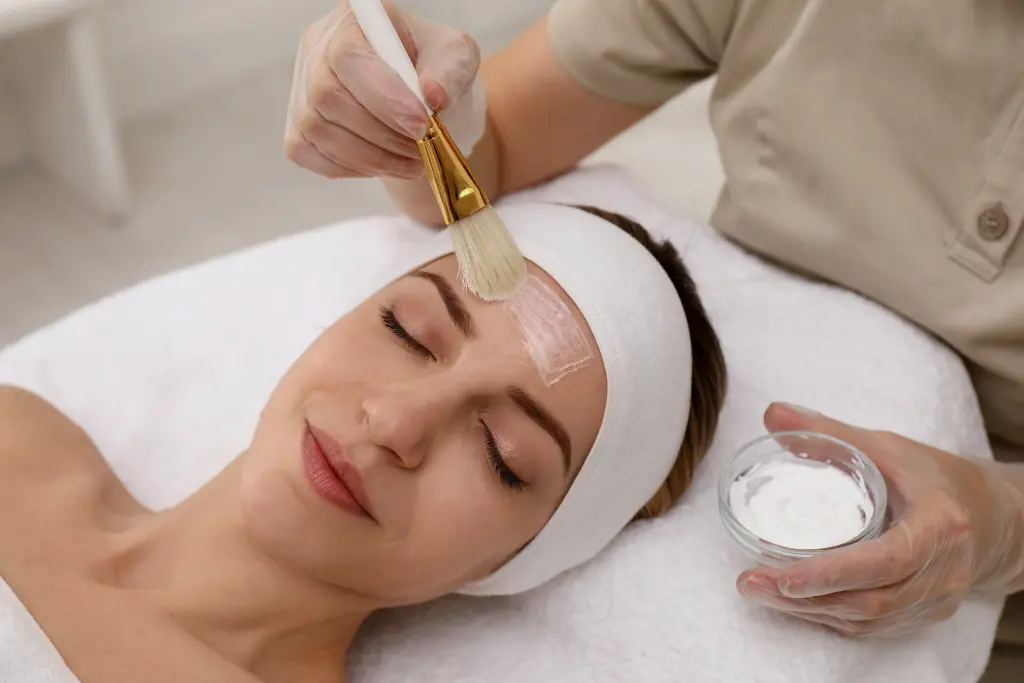
A specialized chemical solution is applied to the treatment area. This peeling agent triggers controlled damage to the outer layer of skin.
Most patients feel a stinging sensation or mild tingling during application. This typically fades within minutes as the solution processes.
Common Sensations During Healing
Expect some combination of tightness, itching, and mild discomfort. These sensations are a normal part of the healing process.
Deeper peels typically involve more intense sensations than superficial peels. Your provider can recommend appropriate relief options if discomfort feels excessive.
A cool compress can sometimes ease tightness or mild burning. Avoid scratching or picking at itchy areas, since this can disrupt healing and increase scarring risk.
Immediate and Delayed Complications
Immediate complications can include skin edema and a burning sensation. These typically appear right after treatment and subside within hours or days.
Chemical peels can also lead to delayed complications, such as infections. This is another reason proper aftercare and hygiene matter throughout your entire recovery timeline.
Following your provider’s specific instructions matters most here. This is more reliable than generic advice found online for avoiding complications.
Signs of Normal Healing vs. Complications
Redness, flaking, and mild swelling are expected. These signs indicate that skin is healing as intended.
Warning signs include worsening pain, fever, or unusual discharge. Contact your provider immediately if these symptoms occur during recovery.
Asymmetric healing, where one side looks significantly different from the other, also warrants a call. Trust your instincts if something feels off compared to what your provider described beforehand.
Rare Risks Worth Knowing About
An allergic reaction to a peeling agent is possible, though uncommon. Signs include unusual swelling, hives, or intense itching beyond normal irritation.
With deep chemical peels specifically, systemic toxicity is a rare but documented risk. Because of this, deep peels should only be performed by an experienced provider. A dermatologic surgeon or licensed practitioner is essential here.
Discussing your full health history during consultation matters. This helps your provider identify factors that could increase your personal risk before treatment begins.
Post-Inflammatory Hyperpigmentation Risk
Post inflammatory hyperpigmentation can occur after chemical peels. This appears as dark patches on treated skin.
Individuals with darker skin tones may require special care during peels to prevent complications (AAD). A qualified provider adjusts peel strength accordingly for different skin tones.
Sun Protection During Recovery
Avoid sun exposure throughout your entire recovery period. Freshly treated skin burns and scars more easily than normal skin.
Broad-spectrum sunscreen is mandatory during and after peel recovery. Direct sun exposure can also worsen uneven pigmentation and undo your results.
Reapply sunscreen every two hours if you’re outdoors during healing. A wide-brimmed hat offers additional protection for the first several weeks after treatment.
Skincare Products to Avoid
Skip retinoic acid, strong exfoliants, and harsh cleansers during healing. These can irritate treated skin and disrupt the peeling process.
Use a gentle cleanser and moisturizer post-peel instead. Avoid active ingredients until your provider confirms your skin has fully healed.
Fragranced products and physical scrubs also deserve a pause. Reintroducing your normal skincare routine gradually, rather than all at once, helps prevent unnecessary irritation.
When You Can Wear Makeup Again
Most light peels allow makeup within a day or two. Medium peels often require five to seven days before makeup feels comfortable.
Deep peels require the longest wait, sometimes several weeks. Always check with your provider before applying anything to healing skin.
When you do resume makeup, choose mineral-based, non-comedogenic products. Avoid heavy foundations that could clog pores on newly formed, sensitive skin.
Medications That May Affect Your Peel
Certain medications can affect how your skin responds to treatment. Birth control pills, for example, may influence pigmentation changes during healing. Hormonal shifts are a known trigger for melasma and related pigment changes (Healthline).
Always share your full medication list with your provider beforehand. This helps them choose the safest chemical solution and depth for your specific situation.
Some acne medications and blood thinners can also affect healing time or bruising risk. A thorough medical history review protects you from avoidable complications during recovery.
Cold Sores and Antiviral Precautions
Anyone with a history of cold sores needs special precautions. Chemical peels can trigger an outbreak during the healing process.
Your provider may prescribe antiviral medication beforehand as prevention. This is especially important before medium or deep chemical peels.
Combining Chemical Peels With Other Cosmetic Treatments
Some patients combine chemical peels with other cosmetic treatments, like lip augmentation or dermal fillers. Timing matters when combining procedures.
Discuss any other treatments you’re considering with your provider. This helps them sequence appointments to minimize irritation and support smoother, more predictable healing.
Choosing a Qualified Provider
For medium-to-deep peels, it is essential to choose a qualified practitioner. In New Jersey, only licensed medical professionals can perform medium-depth and deep chemical peels.
A dermatologic surgeon or experienced provider reduces complication risk significantly. This matters most for TCA peels and other deep chemical peels.
Ask about your provider’s experience with your specific skin type before booking. A thorough consultation should always precede any medium or deep chemical peel treatment.
How Skin Types Affect Your Timeline
Skin types vary in thickness, oil production, and sensitivity. Thicker skin sometimes tolerates deeper peels with slightly less visible irritation.
Aging skin may show more dramatic improvement from medium or deep peels. Your provider will factor in skin color, sensitivity, and skin conditions when planning your specific treatment.
Oily skin types may recover slightly differently than dry or combination skin. This is one more reason a personalized consultation matters more than a generic, universal timeline.
How Many Peels Might You Need
Light and medium peels often work best as part of a treatment plan. A single light or medium treatment produces modest, temporary improvement. A deep peel can deliver a more long-lasting change in one session.
Deeper concerns like severe acne scars may need multiple sessions. Your provider will recommend a schedule based on your specific skin concerns.
Supporting Healing From the Inside
Staying well hydrated supports the skin’s natural repair process. Drinking enough water throughout recovery can make peeling feel more comfortable and less irritating overall.
A balanced diet rich in vitamins also supports healthy skin regeneration. While diet alone won’t change your timeline, it can support smoother, more comfortable healing overall.
Planning Around Your Downtime
Timing your peel around your schedule matters just as much as choosing the right depth. Consider upcoming events, work commitments, and travel plans beforehand.
Many people schedule medium or deep peels before a quiet stretch at home. This avoids the stress of managing visible peeling during busy social weeks.
Comparing Recovery Across All Peel Depths
Side by side, the difference in downtime is significant. Light peels involve a few days of mild flaking at most.
Medium peels involve roughly two weeks of visible healing. Deep chemical peels involve up to eight weeks, with the most dramatic but longest-lasting transformation.
Choosing the right depth means balancing two things. Weigh your desired results against how much downtime fits your schedule. Your lifestyle and upcoming commitments matter here too. Tolerance for visible healing plays a role alongside your specific skin goals.
What Results Can You Expect
Chemical peels improve skin texture and tone significantly. They can also reduce fine lines, uneven skin tone, and mild acne scarring.
Deep peel results can last for years, since the treatment reaches and remodels deeper skin layers. Light and medium peel results are more temporary. They typically benefit from maintenance sessions every few months to a year. Chemical peels promote skin regeneration, supporting a more youthful appearance over time.
Frequently Asked Questions
How long does chemical peel downtime typically last?
Downtime depends on peel depth. A light chemical peel usually causes redness for about 12 hours. Mild flaking often follows for a few additional days. Medium peels require 7 to 14 days. Deep chemical peels can take up to eight weeks for complete healing.
What’s the difference between the types of chemical peels?
Light peels use alpha hydroxy acids for surface-level exfoliation. A medium chemical peel, often a TCA chemical peel, penetrates further to address deeper concerns. Deep peels reach the mid-reticular dermis, treating severe wrinkles or scarring with the longest recovery time.
Is salicylic acid used in chemical peels safe for acne-prone skin?
Yes, salicylic acid is a beta hydroxy acid commonly used in light to medium peels. It’s especially effective for acne-prone or oily skin, since it penetrates clogged pores. It’s also found in Jessner peel formulations for treating breakouts and mild scarring.
Are deep chemical peels risky for darker skin tones?
Deep chemical peels carry higher risk of post inflammatory hyperpigmentation for darker skin tones. A qualified provider will assess skin type before recommending peel depth. Many providers recommend starting with lighter, more conservative treatments for darker skin. This helps minimize risk before considering deeper options.
Can I speed up chemical peel downtime?
You can’t dramatically shorten downtime, but proper aftercare helps. Gentle cleansing, consistent moisturizing, and strict sun protection support faster, smoother healing. Avoiding picking at peeling skin also prevents complications that could otherwise extend your recovery timeline unnecessarily.
Final Thoughts
Chemical peel downtime varies dramatically based on depth, from a single day to eight full weeks. Understanding your specific timeline helps you plan around work, events, and daily life ahead of time.
Following your provider’s aftercare instructions closely supports faster, safer healing. Sun protection, gentle skincare, and patience all matter here. Each one plays a real role in how smoothly your skin recovers.
With realistic expectations and proper care, most people see smoother, more radiant skin once recovery completes. A thoughtful consultation beforehand helps here. It ensures the depth you choose matches both your goals and available downtime.
Book Your Chemical Peel Consultation
Ready to find the right peel depth for your skin? Book a consultation online or call Cherry Hill Spa by VouPre at +1856-382-7838. We’re located inside Cherry Hill Mall at 2000 Route 38, Cherry Hill, NJ 08002.