A nano facial uses nanotechnology to push hydrating serums deep into the skin’s surface, while a HydraFacial combines deep cleanse, exfoliation, extraction, and hydration into one multi-step treatment. Both are non-invasive skincare treatments, but they take different paths to healthier, more radiant skin. Both treatments can be performed in beauty and medical spa settings.
If you’re comparing nano facial vs HydraFacial options, you’ve likely already ruled out more invasive procedures and are looking for something effective with little to no downtime. This guide covers how each treatment works, which skin concerns they address best, and how to figure out which one matches your unique skin needs.
What Is a Nano Facial?
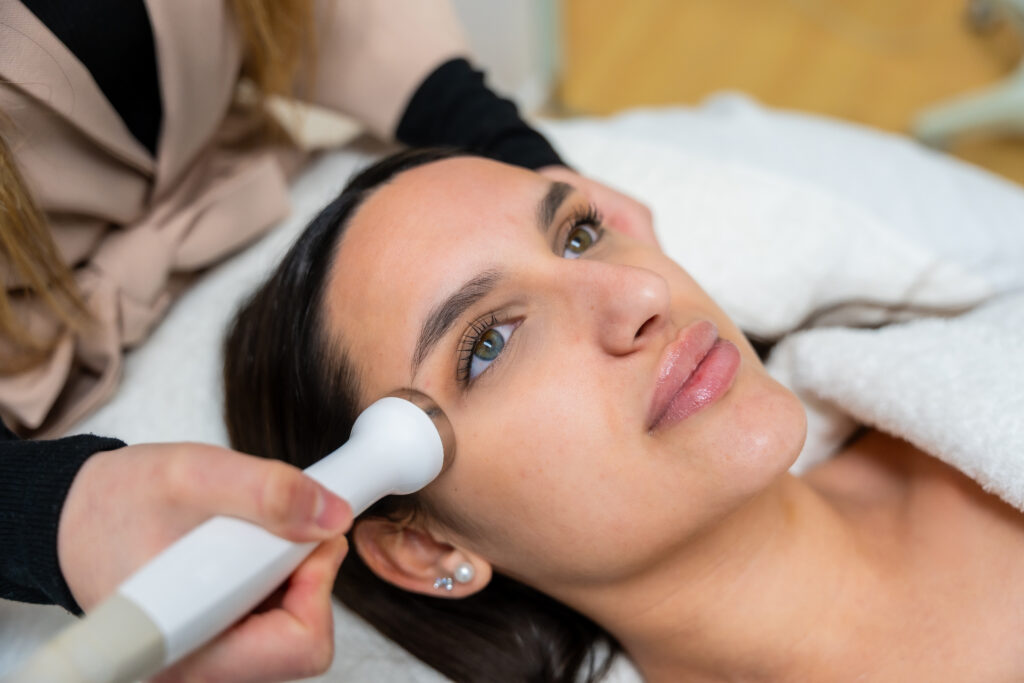
A nano facial is a non-invasive skincare treatment that uses microscopic conductive tips to create tiny channels across the surface layer of skin. These channels allow serum infusion to reach deeper than a standard topical application ever could.
Rather than focusing on physical exfoliation, a nano facial is built almost entirely around ingredient delivery. Serums containing hyaluronic acid, peptides, or growth factors are pushed past the skin’s surface, where they can plump skin cells and support collagen production more directly. NanoFacial increases hydration by plumping skin cells.
What Is a HydraFacial?
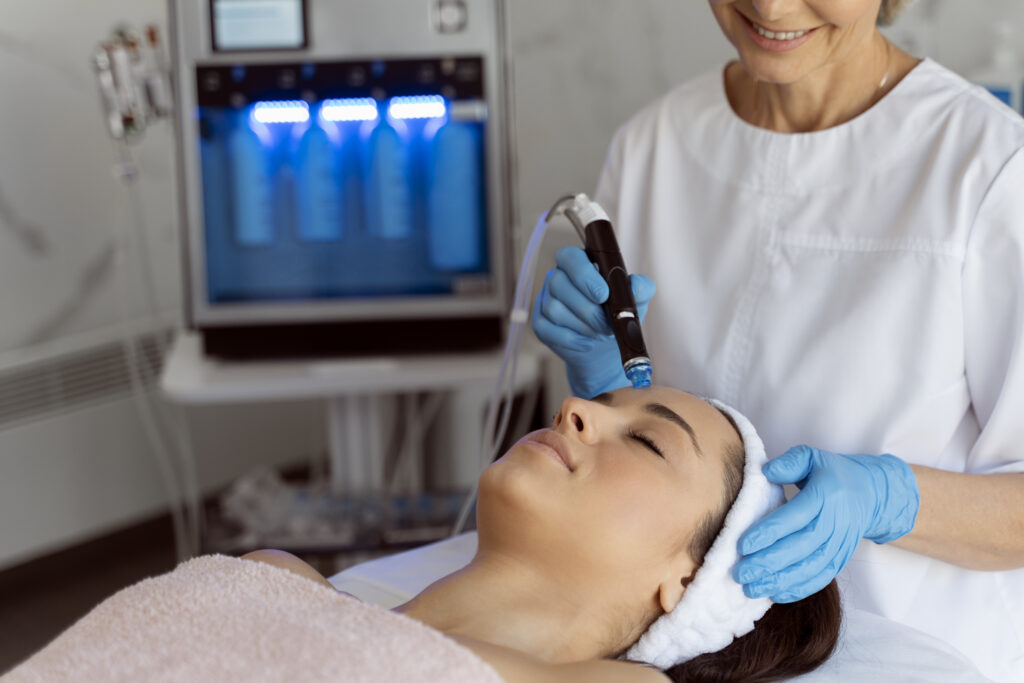
A HydraFacial is a professional treatment that uses vortex technology and gentle suction to deep cleanse, exfoliate, extract impurities, and infuse the skin with hydration in a single session. Many clients describe it as several skincare steps combined into one continuous process.
HydraFacial treatments are suitable for all skin types, including oily skin, congested skin, and acne prone skin. The combination of exfoliation and hydration is part of why so many hydrafacial providers recommend it as a reliable option for improving overall skin health. Hydrafacial treatments are not covered by health insurance.
How Does a HydraFacial Work?
A HydraFacial moves through several stages: cleansing and exfoliation to lift dead skin cells, a gentle acid solution to loosen debris, painless extractions using suction, and finally an infusion of hydrating, antioxidant-rich serums. Some providers add light therapy at the end of the treatment to further support acne management and skin tone.
This layered process is why HydraFacial results often include both a deep cleanse and a visible hydration boost. A typical session lasts 30 to 60 minutes, and no numbing cream is required since the treatment involves minimal discomfort.
How Does a Nano Facial Work?
During a nano facial, a provider selects a serum suited to your skin concerns, then uses a nanotechnology device to create micro-channels that allow that serum to absorb more deeply. There’s no suction or physical extraction involved in the process.
Because the treatment increases hydration by plumping skin cells rather than exfoliating them, it’s often chosen by clients with dry skin or sensitive skin who want visible results without irritation. Sessions typically last around 60 minutes.
Key Differences Between Nano Facial and HydraFacial
While both treatments aim to improve complexion and skin texture, the mechanisms behind them are distinct.
- Nano facial relies on serum infusion through micro-channels, with minimal physical exfoliation
- HydraFacial combines exfoliation, extraction, and hydration through a multi-step device
- Nano facial is generally gentler, making it well suited to sensitive skin
- HydraFacial is more effective for congested skin, excess oil, and visible surface buildup
Neither treatment is universally better — the right choice depends on your unique skin needs.
Common Skin Concerns Each Treatment Addresses
Understanding which skin concerns each treatment targets makes it easier to choose the right starting point.
A nano facial is well suited for dehydration, dullness, fine lines and wrinkles, and early signs of aging skin that respond to deeper hydration. A HydraFacial tends to perform best for hyperpigmentation, dark spots, blemishes, enlarged pores, and skin affected by sun damage or UV exposure over time.
Which Treatment Is Better for Sensitive Skin?
Sensitive skin generally tolerates a nano facial better than a HydraFacial, since it skips physical exfoliation and gentle suction extraction entirely. The reduced friction lowers the likelihood of redness or irritation afterward.
That said, HydraFacial treatments can often be adjusted in intensity for sensitive skin, so it isn’t automatically off the table — it may simply call for a lighter version of the standard protocol.
The Role of Light Therapy in HydraFacial Treatments
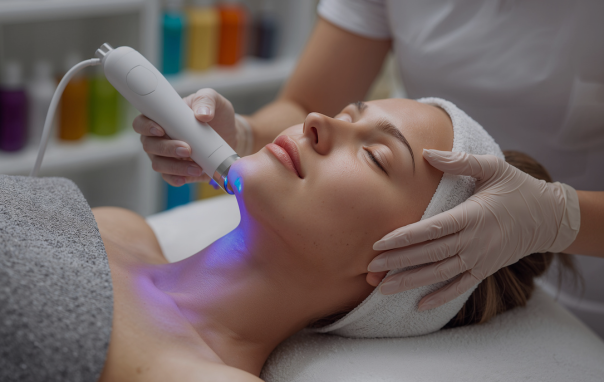
Many hydrafacial providers offer light therapy as an add-on step at the end of a session. This step uses targeted wavelengths to support acne management, calm redness, and encourage new collagen formation in the dermal layer.
Adding light therapy doesn’t change how the core HydraFacial works, but it can enhance results for clients dealing with active blemishes or uneven skin tone alongside dehydration.
How Each Treatment Supports Anti-Aging Goals
Both treatments offer anti aging benefits, though through different mechanisms. A nano facial stimulates collagen production by delivering peptides and growth factors directly into the dermal layer, gradually improving skin elasticity and smoothing fine lines.
A HydraFacial supports anti aging through consistent exfoliation and hydration, which encourages smoother texture and a more youthful appearance over time. Combined with light therapy, it can also help fade early age spots caused by environmental damage.
Achieving Glowing, Radiant Skin
Both treatments are popular precisely because they deliver visible, glowing skin without a lengthy recovery time. A HydraFacial often provides more noticeable instant results immediately after treatment, since exfoliation and extraction reveal smoother, radiant skin right away.
A nano facial produces a plumper, dewier glow that builds slightly more gradually as hydration settles into the skin. Many clients alternate between the two depending on which effect they’re chasing for a given event or season.
Is HydraFacial Safe for All Skin Types?
HydraFacial is considered safe for all skin types, including sensitive skin, because the intensity of suction and the acid solution used can be adjusted to match individual tolerance. It’s classified as a non-invasive treatment with minimal risk of complications.
As with any skincare treatment, clients with an active medical condition affecting the skin should consult a provider before booking, but for the general population, HydraFacial carries a strong safety profile.
What the Data Shows About HydraFacial Results
Clinical study data on HydraFacial treatments has shown meaningful, measurable outcomes. Participants in one clinical study saw a 100% decrease in pore size after a single treatment, while HydraFacial improved skin tone and texture in 80% of users.
Additional findings show HydraFacial improves hydration for 70% of users and can reduce the appearance of fine lines for 90% of users. These results are typically visible immediately and can last up to a week following treatment.
What Happens Beneath the Skin’s Surface
Both treatments work by encouraging the body’s natural repair processes rather than simply masking concerns on the surface layer. As the body responds to serum infusion or exfoliation, it ramps up collagen production and cellular turnover.
Some advanced nano facial formulations also include stem cells alongside growth factors, aiming to further support skin regeneration and long-term skin health rather than a one-time surface change.
HydraFacial vs Traditional Facials and Microdermabrasion
Compared to traditional facials, a HydraFacial offers a more comprehensive, device-driven process that combines multiple steps rather than relying on manual technique alone. It also differs from microdermabrasion, which relies purely on physical exfoliation without the hydration infusion step.
This combination approach is part of why HydraFacial has become a go-to option for clients who want a deep cleanse and visible glow in a single appointment.
Downtime, Pain, and Recovery Time
Both treatments are designed around minimal downtime, which is a major reason clients choose them over more invasive options. Neither treatment typically involves significant pain, and recovery time is usually measured in hours rather than days.
After a HydraFacial, mild redness is common immediately following extraction but usually fades quickly. After a nano facial, skin may look slightly flushed for a short period, with no restrictions on makeup application once the flush subsides.
How to Choose Between the Two
If your primary goal is deeper hydration, improved elasticity, or calming aging skin, a nano facial is often the better starting point. If your primary goal is a deep cleanse, reduced excess oil, or a more even complexion, a HydraFacial addresses those concerns more directly.
Many clients find it helpful to think in terms of what’s happening on the surface layer versus what’s happening deeper in the skin before deciding which treatment fits their goals.
Frequently Asked Questions
What is the difference between a nano facial vs HydraFacial?
A nano facial uses micro-channels to deliver hydrating serums deep into the skin, while a HydraFacial combines cleansing, exfoliation, extraction, and hydration in one device-driven treatment. Both improve complexion and texture, but a HydraFacial focuses more on surface cleansing, while a nano facial focuses on deeper hydration.
Is HydraFacial safe for sensitive skin?
Yes, HydraFacial safe use extends to sensitive skin because suction intensity and acid strength can be adjusted for individual tolerance. It’s a non-invasive treatment with a strong overall safety profile, though clients with an active medical condition should consult a provider before their first session.
How does HydraFacial work to improve glowing skin?
HydraFacial work involves a multi-step process of cleansing, exfoliating, extracting impurities, and infusing hydrating serums using vortex technology. This combination removes dead skin cells while replenishing moisture, which is why clients typically leave with visibly smoother, more radiant skin immediately after treatment.
What skin concerns can HydraFacial treatments address?
HydraFacial treatments address a wide range of skin concerns, including congested pores, hyperpigmentation, dark spots, fine lines, and dullness caused by sun damage. Because the treatment combines exfoliation and hydration, it works well for both oily and dry skin types dealing with multiple concerns at once.
Does HydraFacial help with anti aging?
Yes, HydraFacial supports anti aging goals by promoting collagen production and improving skin elasticity through consistent exfoliation and hydration. Regular treatments can help smooth fine lines and improve overall skin tone, making it a popular option for clients focused on maintaining a more youthful appearance.
The Bottom Line
Both nano facials and HydraFacial treatments deliver real, visible improvements in skin health with minimal downtime, but they aren’t interchangeable. A nano facial prioritizes deep hydration and serum infusion, while a HydraFacial combines cleansing, extraction, and hydration into one comprehensive treatment.
Understanding your unique skin needs — whether that’s calming sensitive skin, addressing congested pores, or chasing a more radiant, glowing complexion — is the clearest way to decide which treatment belongs in your next appointment.