Prepping for a body wax mostly comes down to hair length, skin condition, and timing — getting these right before your appointment makes the difference between a smooth, comfortable session and unnecessary discomfort. Here’s exactly what to do, and what to avoid, before your next waxing treatment.
This checklist covers everything from hair growth timing to skincare the day before, so you can walk into your appointment feeling prepared and walk out with smooth, longer-lasting results.
What Is Body Waxing?
Body waxing is a common hair removal method in spas. Body waxing is a hair removal method that pulls unwanted hair out from the root using warm wax applied to the skin. Because it removes hair from the root rather than cutting it at the surface, waxing produces smoother, longer-lasting results than shaving.
Body waxing services can be performed on nearly any body part, from the legs and arms to more sensitive areas like the bikini line and full face. Waxing also gently exfoliates the top layer of skin as the wax is removed, which is part of why many clients notice smoother skin even beyond the hair removal itself.
Common Types of Body Waxing Services
Understanding your options helps you know what to prep for, since different areas call for slightly different approaches. Regular leg waxing provides a smooth feeling year-round.
- Bikini wax — includes bikini line waxing or a full bikini wax
- Brazilian wax — removes hair from front to back, including intimate areas
- Full body wax — covers legs, arms, underarms, chest, stomach, and back in one visit
- Full face waxing — includes brows, lips, chin, cheeks, and sometimes the nose
- Full arms and full legs — from shoulders down to the wrists, or upper thigh down to the ankle
Soft Wax vs. Hard Wax: What’s the Difference?
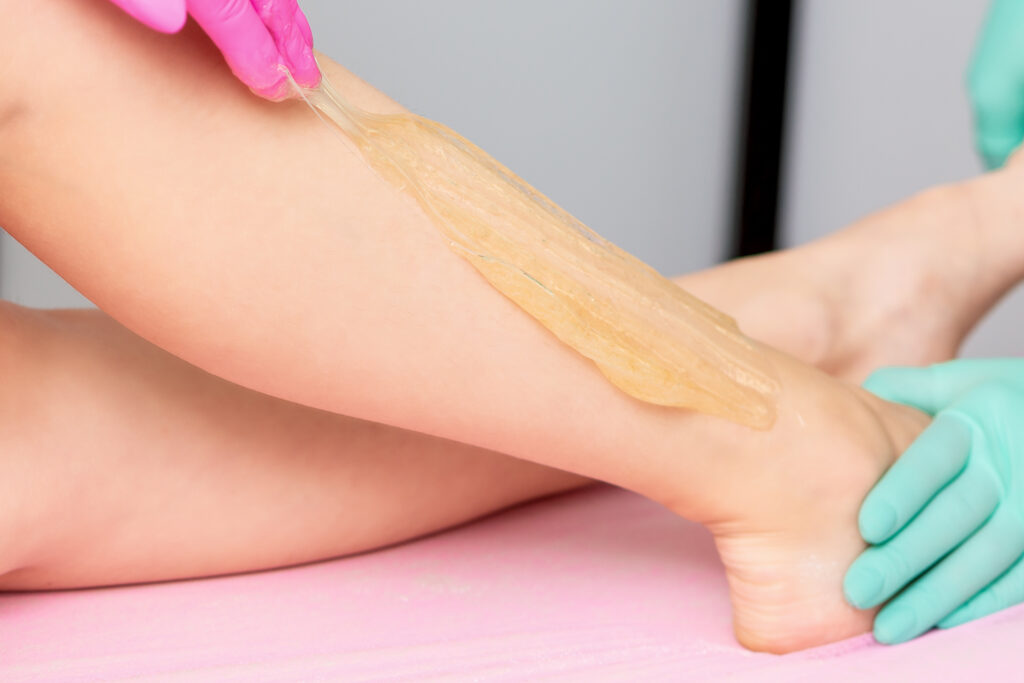
Most waxing treatments use either soft wax or hard wax, and knowing which one your provider uses can help set expectations. Soft wax is applied thinly and removed using cloth strips, making it well suited for larger areas like the legs and arms. Soft wax provides superior exfoliation and is effective on fine hair.
Hard wax is applied more thickly and hardens on its own before being pulled off without strips, which makes it gentler on sensitive areas like the bikini line, underarms, and face. Many providers use a combination of both depending on the area being treated. Hard wax is less painful than soft wax.
Do: Let Your Hair Reach the Right Length
One of the most important prep steps is hair length. For effective waxing, hair should be about half an inch long — long enough for the wax to grip, but not so long that it becomes harder to remove comfortably.
If hair is too short, the wax won’t be able to pull it out from the root, which can mean patchy results. If it’s too long, your provider may need to trim it first, which can add time to your appointment.
Don’t: Shave in the Weeks Before Your Appointment
Since waxing depends on adequate hair length, shaving right before your appointment defeats the purpose. If you’ve been shaving, plan to let hair grow out for at least two to three weeks before switching to waxing, so there’s enough length for the wax to work effectively.
Do: Exfoliate a Day or Two Before
Gently exfoliating the skin one to two days before your appointment helps remove dead skin cells that can trap hair and interfere with the waxing process. This step also helps reduce the likelihood of ingrown hairs developing after treatment.
Avoid exfoliating the day of your appointment, since freshly exfoliated skin can be more sensitive to the pulling and pressure involved in waxing.
Don’t: Apply Lotion, Oil, or Deodorant Beforehand
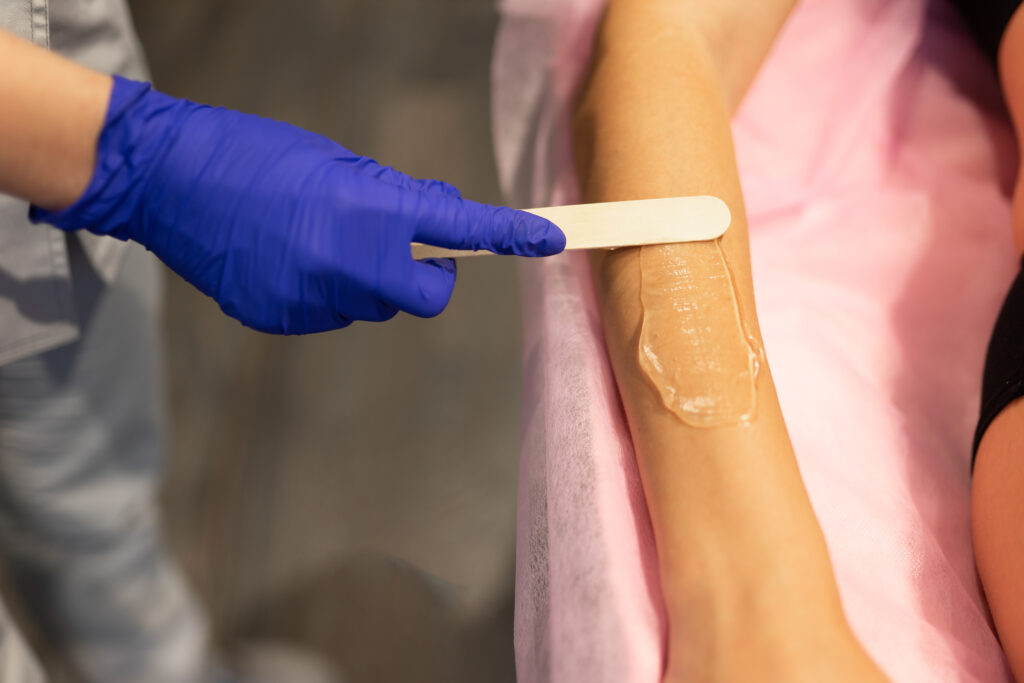
Lotions, oils, and deodorants leave a residue on the skin that can prevent wax from adhering properly to the hair. Arrive with clean, product-free skin so your provider can get the best possible grip on each hair during your waxing treatment.
Do: Cleanse the Treatment Area
A simple cleanse before your appointment removes sweat, oil, and everyday buildup that could interfere with the wax. This is especially important for intimate areas and the bikini line, where hygiene and comfort both matter.
Don’t: Wax Sunburned, Irritated, or Broken Skin
Waxing should never be performed on sunburned, freshly tanned, or irritated skin, since the process can cause further damage or discomfort. If you have any active breakouts, cuts, or irritation in the treatment area, let your provider know before starting — some areas may need to be skipped for your safety.
Do: Take a Pain Reliever If You’re Sensitive
Expect some discomfort during the waxing process, particularly in sensitive areas like the bikini line or underarms. If you’re especially prone to discomfort, taking an over-the-counter pain reliever about 30 to 45 minutes before your appointment can help take the edge off. Waxing isn’t ideal for individuals using certain medications like isotretinoin.
Don’t: Book Waxing Around Your Menstrual Cycle If Avoidable
Skin tends to be more sensitive in the days surrounding a menstrual cycle, which can make bikini and Brazilian waxing more uncomfortable than usual. If possible, scheduling your appointment outside of this window can make the experience noticeably more comfortable.
How to Prepare for a Brazilian Wax
A Brazilian wax removes hair from front to back in intimate areas, so a little extra prep goes a long way. Brazilian waxing originated from the bathing suits popularized in Brazil, and today it remains one of the most requested waxing services for clients wanting a completely bare result.
Trim hair to about half an inch if it’s longer, avoid tight clothing on the day of your appointment, and don’t hesitate to communicate with your provider about comfort level throughout. Clients can also request a butt strip during a Brazilian wax if they’d like that area included. Gently exfoliate the area 24-48 hours before waxing to prevent skin irritation.
How to Prepare for a Bikini Wax
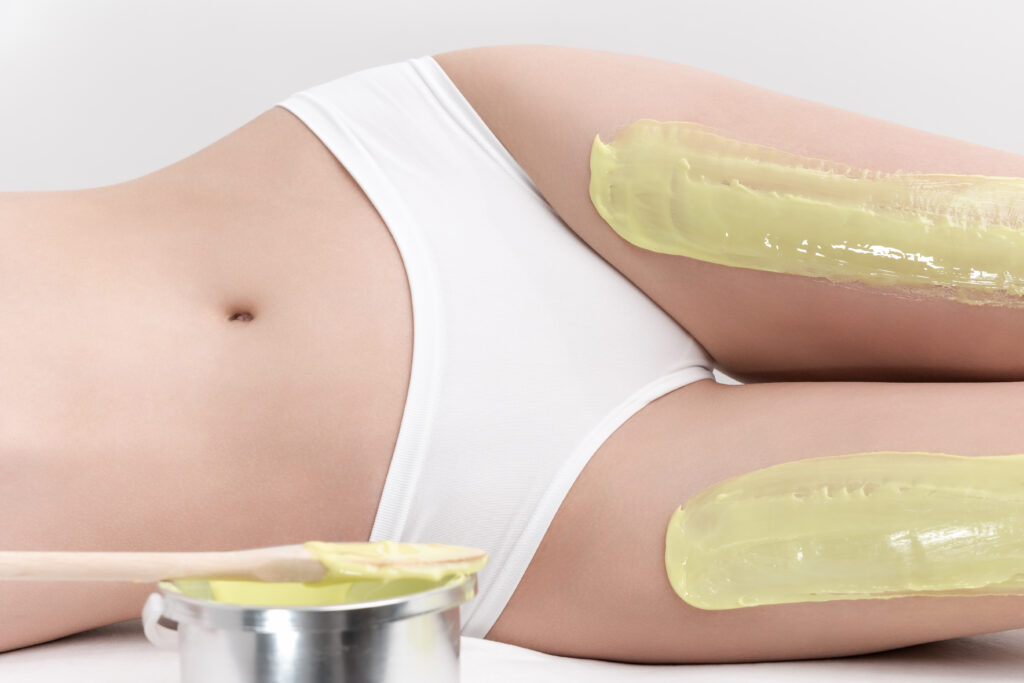
Whether you’re booking a bikini line wax or a full bikini wax, the same basic prep rules apply: appropriate hair length, clean skin, and loose clothing for the appointment. Many first-time clients find it helpful to book a consultation beforehand to discuss exactly which style and coverage they’re looking for.
Preparing for a Full Body Wax
A full body wax typically covers the legs, arms, underarms, chest, stomach, and back in a single visit, so prep matters across multiple areas at once. Make sure hair throughout all treated areas has reached the right length, and wear loose, comfortable clothing that won’t rub against freshly waxed skin afterward.
Because a full body wax covers so much surface area, appointments tend to run longer, so plan accordingly and avoid scheduling anything immediately afterward that requires tight or restrictive clothing.
Preparing for Facial Waxing
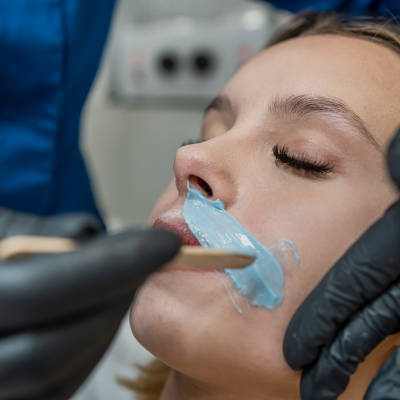
Full face waxing, including the brows, lips, chin, and cheeks, calls for a slightly gentler approach since facial skin tends to be more sensitive. Avoid using retinol or other exfoliating skincare products in the days leading up to a facial waxing appointment, since these can make skin more reactive.
If you’re getting your brows shaped, bring a reference photo or be ready to discuss your preferred arch so your provider can tailor the shape to your face.
What to Wear to Your Appointment
Loose, breathable clothing makes waxing appointments easier and more comfortable, especially for treatments involving the legs, bikini line, or underarms. Tight clothing can rub against freshly waxed skin and increase irritation immediately after your session.
What to Expect During Your First Waxing Appointment
If it’s your first time, expect your provider to walk you through the process, confirm hair length, and explain what to expect for your specific treatment area. Most clients feel comfortable once they understand the process, and providers are used to helping first-time clients feel at ease.
The moment the wax is applied and removed is typically the most noticeable part of the process, but discomfort is brief and tends to lessen with repeated visits as skin and hair adjust.
Aftercare: The First 48 Hours
Proper aftercare protects your results and keeps skin comfortable in the days following your appointment. Avoid sun exposure for 48 hours after waxing, since freshly waxed skin is more sensitive to UV damage.
Skip hot showers, saunas, and strenuous exercise for a day or so, since heat and sweat can irritate freshly treated skin. Loose clothing continues to matter here too, giving skin room to breathe as it settles.
How to Prevent Ingrown Hairs After Waxing
Ingrown hairs are one of the most common post-waxing concerns, but simple aftercare habits go a long way in preventing them. Gently exfoliating a few days after your appointment, once skin has settled, helps keep dead skin cells from trapping new hair as it grows back in.
Wearing loose clothing and avoiding tight fabrics over freshly waxed areas also reduces friction, which is a major contributor to ingrown hairs, particularly around the bikini line and legs.
How Long Do Waxing Results Last?
Waxing removes hair from the root, which means results typically last three to six weeks before regrowth becomes noticeable, compared to just a day or two with shaving. Regular waxing over time can also lead to finer, sparser hair regrowth for many clients.
Frequently Asked Questions
How should I prepare for body waxing services?
Preparation mainly involves hair length and skin condition. Hair should be about half an inch long, and skin should be clean, free of lotion, and not sunburned or irritated. Avoiding sun exposure and exfoliating a day or two beforehand also helps ensure a smoother, more comfortable session.
What’s the difference between soft wax and hard wax?
Soft wax is applied thinly and removed with cloth strips, making it ideal for larger areas like the legs. Hard wax hardens on its own and is removed without strips, making it gentler for sensitive areas like the bikini line, underarms, and face.
How long should hair be before a Brazilian wax?
Hair should be about half an inch long before a Brazilian wax for the best results. If hair is too short, the wax may not grip effectively, and if it’s too long, your provider may need extra time to trim it before starting.
How can I prevent ingrown hairs after a bikini wax?
Gently exfoliating a few days after your appointment and wearing loose, breathable clothing helps prevent ingrown hairs. Avoiding tight fabrics that create friction against the bikini line in the days following treatment also reduces the chances of hair becoming trapped beneath the skin.
Is a full body wax more painful than waxing one area?
A full body wax isn’t necessarily more painful, but sensitivity varies by area, with the bikini line and underarms typically more sensitive than the legs or arms. Taking a pain reliever beforehand and staying relaxed during the appointment can help minimize discomfort throughout.
How long does hair removal from body waxing actually last?
Because waxing removes hair from the root, results generally last three to six weeks before regrowth appears, which is significantly longer than shaving. Consistent waxing over time can also result in finer, softer hair regrowth for many clients.
Final Thoughts
Prepping properly for a body wax comes down to a few consistent habits: growing hair to the right length, keeping skin clean and product-free, and protecting freshly waxed skin afterward. Whether you’re booking a quick bikini line touch-up or a full body wax, following this checklist helps ensure a smoother appointment and longer-lasting, more comfortable results.