Lipo cavitation or ultrasound cavitation, a non surgical fat reduction method is worth it for people targeting stubborn fat deposits who want a non-surgical alternative to traditional liposuction, though results are gradual and depend on realistic expectations. It won’t replace significant weight loss, but for localized fat reduction, it’s a widely recognized, FDA-approved option.
This guide breaks down exactly how ultrasonic cavitation works, what happens to fat cells during treatment, how many sessions most people need, and what kind of results are realistic — so you can decide if it fits your goals.
What Is Lipo Cavitation?
Lipo cavitation, also called ultrasonic cavitation, is a non-invasive treatment that uses low-frequency ultrasound waves to target stubborn fat in specific areas of the body. It’s classified as a body contouring treatment rather than a weight loss treatment, meaning it’s designed to reshape targeted areas rather than produce significant overall fat loss.
Unlike surgical liposuction, ultrasonic cavitation requires no incisions, anesthesia, or extended recovery. It’s a pain free, non-surgical option that fits into a normal schedule with essentially no downtime.
How Ultrasonic Cavitation Works
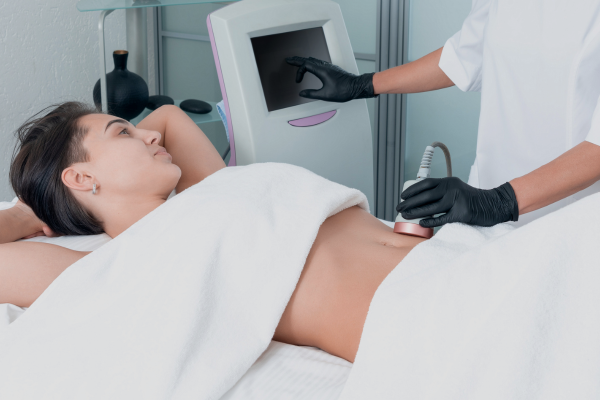
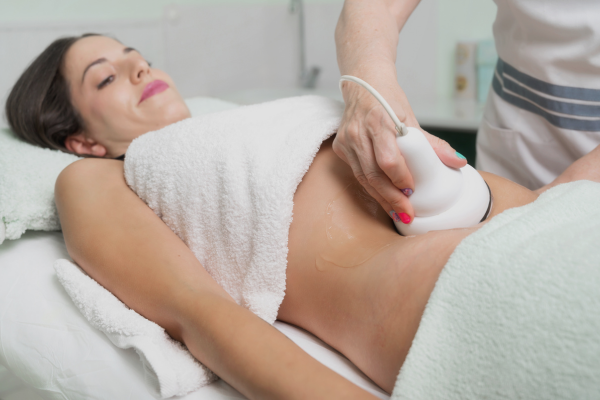
During an ultrasonic cavitation procedure, a handheld device emits low frequency sound waves into the treatment area. These ultrasound waves create disruptive vibration that causes fat cell membranes to break down internally.
As the fat cells break apart, their contents are released as free fatty acids into the surrounding tissue. This is the core mechanism behind how ultrasonic cavitation works — the treatment doesn’t remove fat directly, it destabilizes it so the body can process it naturally.
What Happens to Fat Cells After Treatment
Once fat cells break down, the released fatty acids need to be cleared from the body, which is where the lymphatic system comes in. Proper lymphatic drainage helps flush released fat and fluid out of the treated area over the following days and weeks.
Staying well hydrated after treatment is important, since hydration helps the body flush out processed fat more efficiently. Without adequate lymphatic drainage and hydration, results may take longer to become visible.
Lipo Cavitation vs Traditional Liposuction
Traditional liposuction is a surgical procedure that physically removes fat cells through suction, typically producing more dramatic, immediate results but with real recovery time and higher risk. Lipo cavitation, by contrast, is a non-invasive alternative that relies on the body’s own processes to clear fat gradually.
Ultrasonic lipo cavitation carries lower risks compared to traditional liposuction, since there’s no cutting, anesthesia, or surgical recovery involved. The tradeoff is that results are more subtle and typically require repeated treatments rather than a single procedure.
Common Treatment Areas for Lipo Cavitation
Lipo cavitation is commonly used to reduce fat deposits in areas that tend to resist diet and exercise alone.
- Abdomen and flanks
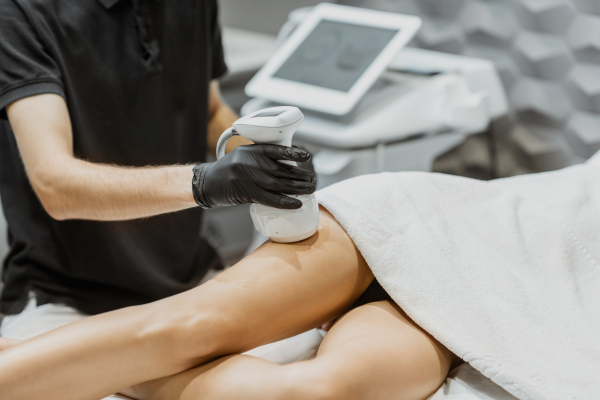
- Thighs and hips
- Upper arms and underarms
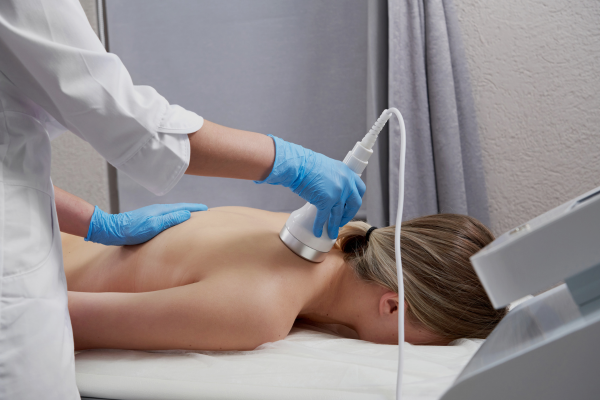
- Back and chin area
Because the treatment targets localized fat rather than fat throughout the entire body, it works best on specific, well-defined problem areas rather than broad, overall body fat.
Is Ultrasonic Cavitation FDA Approved and Safe?
Ultrasonic cavitation is FDA approved for fat reduction, and it’s widely recognized as a low-risk, non-surgical option for body sculpting. Because it doesn’t involve incisions or anesthesia, the overall safety profile is stronger than that of invasive procedures like surgical liposuction.
That said, FDA approval refers to the safety and function of the ultrasound technology itself, not a guarantee of specific results — outcomes still vary based on the individual and the treatment plan.
Potential Side Effects of Lipo Cavitation
Most side effects associated with lipo cavitation are mild and temporary. Because the treatment is non-invasive, it avoids many of the more serious risks tied to surgical fat removal.
- Redness and mild swelling in the treated area
- Bruising or tenderness
- A feeling that the treated area may feel puffy for a short time afterward
- Mild skin irregularities may occur after ultrasonic cavitation treatment.
These effects typically resolve within a few days as the lymphatic system processes the released fat and fluid.
Who Is a Good Candidate for Lipo Cavitation?
Ideal candidates for lipo cavitation are within 15 pounds of their goal weight and are looking to address stubborn, localized fat rather than pursue significant weight loss. Candidates should also be in good overall health and non-smokers for the best possible outcome.
Lipo cavitation is not designed for people seeking major body fat reduction — it’s a body contouring treatment, not a weight loss treatment. A customized treatment plan built around your specific problem areas and goals will determine whether you’re a good fit.
How Many Treatments Will You Need?
Most patients require six to twelve sessions to see optimal, visible results, since each treatment only breaks down a portion of fat cells in the targeted area. A typical ultrasonic cavitation procedure lasts between 40 minutes and an hour per session.
Because results build gradually as the lymphatic system clears fat between appointments, spacing sessions appropriately matters just as much as the total number of treatments in your plan.
What Results Can You Expect?
Most candidates begin seeing visible results within six to twelve weeks after starting treatment, as the body gradually processes and clears the broken-down fat cells. Research supports this timeline — a 2019 study showed measurable fat reduction in women after five weeks of treatment, while a 2007 study found participants lost one to three centimeters of fat in treated areas.
Results from lipo cavitation tend to be more gradual and subtle compared to traditional liposuction, which produces more dramatic, immediate changes. For many people, that gradual progression is part of the appeal — it tends to produce natural looking results rather than a sudden, obvious shift in body shape.
The Role of Radio Frequency and Skin Tightening
Many lipo cavitation treatment plans include radio frequency technology alongside ultrasonic cavitation to support skin tightening in the treated area. As fat cells are reduced, radio frequency energy can help stimulate collagen production in the dermal layers, which supports better skin texture and tone.
This combination approach is especially useful for treatment areas where loose skin is a concern, since fat reduction alone doesn’t always account for changes in skin elasticity.
Supporting Your Results Between Sessions
Lipo cavitation is not a substitute for a healthy diet and exercise — it works best as part of a broader approach to body sculpting rather than a standalone solution. Maintaining a balanced diet and staying active supports the lymphatic drainage process that clears fat after each session.
- Stay well hydrated to support lymphatic drainage and help the body flush processed fat
- Incorporate regular cardio exercise to support circulation and blood flow
- Avoid a sedentary lifestyle between treatments
- Maintain a low calorie diet or balanced eating pattern to prevent new fat storage in treated areas
Is Lipo Cavitation Worth It?
Whether lipo cavitation is worth it depends largely on your goals and expectations. For people targeting stubborn fat deposits that haven’t responded to diet and exercise, and who want a non-invasive treatment with essentially no downtime, it’s a reasonable, low-risk option to consider.
For people expecting dramatic, immediate transformation similar to invasive procedures like surgical liposuction, it may fall short of expectations. Setting realistic expectations upfront — understanding that results build gradually over multiple sessions — is the biggest factor in overall satisfaction with the treatment.
What to Expect During and After Treatment
Ultrasonic cavitation treatment is generally described as pain free, with most patients reporting only mild pressure or warmth in the treatment area during the session. Because it’s a non-surgical, non-invasive treatment, most people return to normal activities immediately afterward with no real recovery time required.
Some patients may feel puffy or mildly swollen in the treated area for a short period following each session, which typically resolves within a day or two as the lymphatic system processes the released fatty acids.
Setting Realistic Expectations
Because lipo cavitation results are gradual and cumulative, patience matters throughout the process. A customized treatment plan, consistent session spacing, and healthy lifestyle habits between appointments all play a role in achieving the best possible outcome.
Individual results vary based on the treatment area, the amount of localized fat present, and how consistently the body clears processed fat between sessions — which is why realistic expectations are such an important part of the process from the start.
Frequently Asked Questions
How does lipo cavitation work for fat reduction?
Lipo cavitation uses low-frequency ultrasound waves to break down fat cell membranes in a targeted area. Once broken down, the fat is released as free fatty acids and processed through the lymphatic system over the following days, gradually reducing fat deposits in the treated area.
Is lipo cavitation a good option for body contouring?
Yes, lipo cavitation is widely used for body contouring and body sculpting, particularly for stubborn fat deposits that resist diet and exercise. It works best for localized areas like the abdomen, thighs, or arms rather than significant, full-body weight loss.
Does lipo cavitation actually help reduce fat deposits?
Yes, studies support its ability to reduce fat deposits in targeted areas. Research has shown measurable fat loss within weeks of treatment, though results are gradual rather than immediate. Most candidates need multiple sessions to see their desired results in the treated area.
Is lipo cavitation non-surgical and safe?
Yes, lipo cavitation is a non-invasive, non-surgical treatment that’s FDA approved for fat reduction. It carries fewer risks than surgical liposuction since there’s no cutting or anesthesia involved, though mild side effects like redness or swelling can occur temporarily.
How important is lymphatic drainage after lipo cavitation?
Lymphatic drainage is essential after lipo cavitation, since it helps the body flush out the fatty acids released when fat cells break down. Staying hydrated and maintaining light activity supports this process, helping results appear more efficiently in the weeks following treatment.
Does lipo cavitation give natural looking results?
Yes, because lipo cavitation works gradually over multiple sessions, results tend to look more natural looking compared to the more dramatic, immediate change from surgical procedures. This gradual progression allows the body to adjust slowly rather than showing an abrupt shift in body shape.
The Bottom Line
Lipo cavitation offers a non-invasive, FDA-approved way to target stubborn fat deposits without surgery, but it isn’t a shortcut around diet and exercise or a solution for significant weight loss. When paired with a customized treatment plan, realistic expectations, and healthy habits between sessions, it can be a worthwhile option for people focused on refining specific treatment areas and achieving natural looking results over time.