Most estheticians apply red light therapy after a facial, not before. This helps calm the skin and lock in treatment benefits.
That said, the right order can depend on your specific facial and skin concerns. This guide explains why sequencing matters. It also covers how red light therapy actually works at a cellular level.
You’ll learn what happens during treatment. We’ll cover who should be cautious before starting. You’ll also learn how to build red light therapy into a broader skincare routine. This supports long-term skin health beyond a single session.
Whether you’re new to red light therapy or already use it regularly, this matters. Understanding proper sequencing can help you get more consistent results from every session.
What Is Red Light Therapy?
Red light therapy uses low levels of red and near infrared light. It works through light emitting diodes, or LEDs.
This is also called low level laser therapy or low power laser therapy. Unlike tanning booths or tanning bed exposure, it uses no ultraviolet rays.
How Red Light Therapy Works
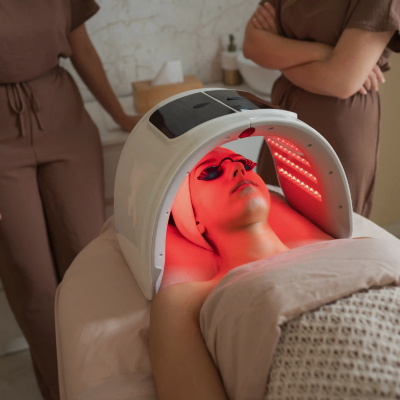
Red light therapy targets the mitochondria to boost cellular energy production. Photons in specific wavelengths get absorbed by chromophores inside cells (PubMed).
This process increases ATP production within cells. More cellular energy supports cell growth and tissue repair. This mechanism explains many of red light therapy’s reported benefits.
Because the effect happens at a cellular level, changes often build gradually. This is why consistent, repeated treatment tends to outperform a single isolated session. Think of it less like an instant fix. It’s more like a cumulative investment in your skin’s repair processes, similar to gradual exercise gains.
Red Light vs. Near-Infrared Light
Visible red light primarily affects surface tissue. Near infrared light penetrates more deeply into skin and muscle.
Red light therapy devices typically use wavelengths between 630 and 700 nanometers. Infrared light therapy often extends into longer wavelengths for deeper reach. Many red light therapy panels combine both for broader benefits.
Red Light vs. Blue Light
Blue light works differently than red or near infrared light. It’s typically used to target surface-level bacteria in acne.
Red light therapy focuses more on cellular repair and inflammation. Some facials combine blue light and red light for different purposes. Understanding this difference helps clarify why sequencing and device choice both matter.
Should Red Light Therapy Go Before or After a Facial?
Sequencing depends on your goals, but after a facial is most common. Red light therapy calms inflammation caused by extractions or exfoliation.
Applying it afterward helps soothe bare skin post-treatment. It also supports faster healing following more intensive facial steps.
There’s no single universal rule that applies to every provider or every skin type. Your esthetician’s specific protocol plays a role here. Your skin’s reaction to earlier steps also factors into the final decision. Some providers even adjust sequencing session to session. This depends on how your skin looks and feels that day, rather than a rigid protocol.
Why Many Providers Use Red Light Therapy After a Facial
Facials often include extractions, peels, or masks. These steps can leave skin slightly irritated.
Red light therapy reduces inflammation and supports skin healing afterward. This makes it a natural, calming final step in many treatment plans.
When Red Light Therapy Before a Facial Makes Sense
Some providers use red light therapy first instead. This can increase blood circulation before other steps begin.
Better circulation may help skin respond more effectively to serums. Ask your esthetician which order fits your specific skin concerns.
How Soon After a Facial Can You Use Red Light Therapy?
Most providers apply red light therapy immediately following the final facial step, within the same appointment. There’s no need to wait between steps when it’s done in-office.
If you’re doing an at-home facial and a separate session, a short gap is fine. Waiting 10 to 15 minutes after masking gives skin time to settle first.
Common Sequencing Mistakes to Avoid
One common mistake is applying red light therapy before extractions or a peel. This skips its calming benefit, since more irritating steps still come afterward.
Another mistake is layering heavy, occlusive products right before a session. Thick creams or oils can block light penetration, so cleaner skin generally responds better during treatment.
Should You Apply Serums Before or After Red Light Therapy?
Many providers apply hydrating serums just before red light therapy, not after. The heat and light exposure may help support better absorption during the session.
Once red light therapy finishes, a simple moisturizer and daytime sunscreen are usually enough. Piling on more active ingredients right after isn’t necessary and can increase irritation risk.
What a Typical Facial Sequence Looks Like
A standard facial usually starts with cleansing and exfoliation. Extractions and a mask often follow next.
Many providers add red light therapy near the end. This helps reduce redness before you leave the treatment room.
Some estheticians also apply serums right before the light therapy step. This can further support product absorption during the final part of your session.
Benefits of Combining Red Light Therapy With a Facial
Red light therapy promotes collagen production for improved skin elasticity. It also increases blood flow to promote skin healing.
Combined with a facial, this can improve skin texture. It may also reduce signs of sun damage over time with consistent use.
Red Light Therapy for Wound Healing and Skin Conditions
Red light therapy accelerates tissue repair. It helps heal scars, wounds, and certain skin conditions like psoriasis.
It also treats acne and reduces general skin redness. Increased blood flow supports the body’s natural healing process throughout treatment.
For chronic skin concerns, results tend to build gradually. Combining red light therapy with a consistent skincare routine helps most. This pairing often produces the most noticeable improvement over time. Patients managing rosacea or chronic redness sometimes find red light therapy a helpful, calming addition. This should always be discussed with a dermatologist first, given how reactive that skin can be.
Is Red Light Therapy Safe for Darker Skin Tones?
Red light therapy is generally considered safe for darker skin tones. It doesn’t rely on the same mechanisms that trigger pigment changes in some other treatments.
It works through light absorption rather than heat or chemicals. This keeps risk low across most skin tones.
Is Red Light Therapy Safe Overall?
Red light therapy is generally considered safe for short-term use. It does not increase skin cancer risk the way UV light does (PubMed).
High levels of red light can still cause redness or blistering in rare cases. Long-term safety of red light therapy devices isn’t fully known yet.
What to Expect During a Session
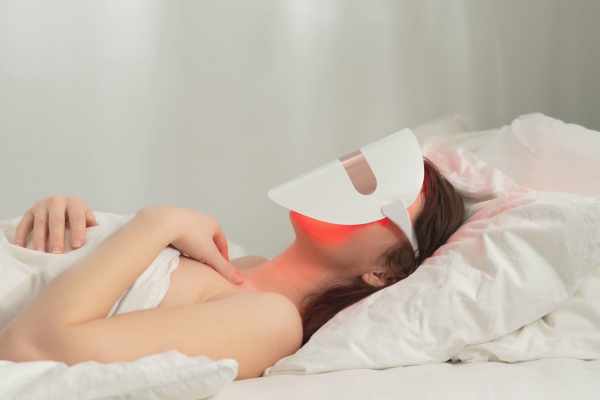
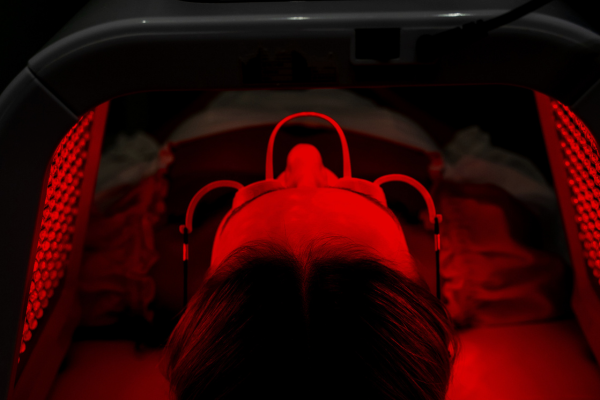
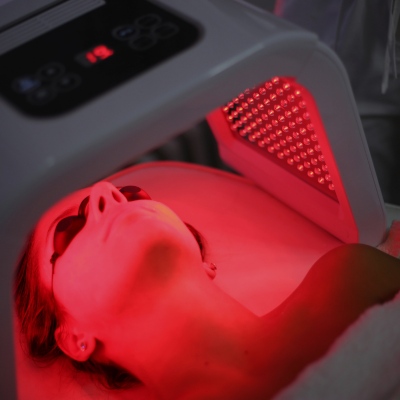
Most red light therapy sessions happen in a treatment room or doctor’s office. You’ll typically lie or sit near a panel, or wear a mask.
Sessions feel warm but not hot. Most people describe the experience as relaxing rather than uncomfortable in any way.
Eye Safety During Treatment
Bright lights from red light devices can affect eye sensitivity. Some treatments require you to wear protective goggles.
Eye protection matters most with high-powered, professional-grade devices. Always follow your provider’s guidance on eye safety during any session.
Preparing Your Skin Before Combining Treatments
A few simple steps help your skin respond well to combined treatments. Arrive with clean skin, free of heavy makeup or sunscreen. This lets your esthetician accurately assess your skin’s condition.
Avoid strong exfoliants or retinol products for a day or two before your appointment. This helps prevent sensitivity when pairing red light therapy with active steps like extractions or peels.
How to Ask Your Esthetician About Sequencing
Don’t hesitate to ask your provider why they sequence treatments the way they do. A good esthetician can explain their protocol and adjust based on your skin’s reaction that day.
If your skin feels irritated after a facial step, mention it before red light therapy starts. Providers can adjust intensity, or skip the light therapy step, if your skin needs recovery first.
Combining Red Light Therapy With Different Facial Types
The right sequencing can also depend on what kind of facial you’re getting. A hydrating or basic facial pairs well with red light therapy either before or after. There’s minimal irritation either way.
A facial involving extractions, chemical exfoliation, or microdermabrasion is different. These steps create more irritation. Red light therapy works best applied afterward to calm the skin.
If you’re combining red light therapy with an at-home facial, the same logic applies. Save it for the end of your routine, after cleansing, exfoliating, and masking.
Where to Receive Red Light Therapy
Red light therapy is available at dermatologists’ offices for medical-grade treatment. You can also receive red light therapy at spas and estheticians.
It’s increasingly offered in yoga studios and wellness centers too. Each setting may use different devices and intensity levels. This means results and experience can vary between locations.
At-Home vs. Professional Red Light Therapy
At-home devices are generally less powerful than professional ones. Most at-home devices require multiple sessions for real effectiveness.
FDA clearance is important when choosing an at-home red light therapy device. This helps confirm a baseline level of safety testing.
If you’re combining at-home red light therapy with professional facials, timing still matters. Give your skin at least a day after an in-office peel before using a home device. Combining two active treatments too closely together can increase irritation risk.
Choosing a Light Therapy Mask or LED Mask
A light therapy mask, or LED mask, offers hands-free treatment. Many are designed as a flexible mask that molds to the face.
This format makes light therapy at home more convenient. It’s a popular option for people wanting consistent, low-effort sessions.
What Does the Research Say?
Comparative studies support red light therapy’s effectiveness across various health conditions. Still, most studies show potential but require more research overall.
Findings on wound healing, skin texture, and overall skin health remain encouraging. However, researchers continue exploring optimal dosing and long-term outcomes.
Signs of Aging and Skin Concerns Addressed
Beyond fine lines, red light therapy is often used for broader signs of aging. This includes dullness, uneven texture, and reduced elasticity.
Because it works gradually through collagen stimulation, it pairs well with other treatments. Many people combine it with regular facials for a long-term strategy. This tends to work better than treating it as a quick fix.
Patients often notice a gradual brightening effect first. More subtle texture improvements follow over several weeks of consistent sessions. Tracking progress with photos under consistent lighting helps. You and your provider can objectively evaluate whether your plan is delivering results.
How Often Should You Use Red Light Therapy?
Treatment durations typically last 10 to 20 minutes per session. Most protocols recommend several sessions weekly over multiple weeks.
Effects tend to be gradual rather than immediate. Consistency matters more than any single treatment session.
Red Light Therapy for Skin Tightening and Fine Lines
Many people use red light therapy to address early signs of aging. This includes fine lines and mild skin laxity.
Collagen production plays a central role here. As collagen increases, skin often looks firmer, with fewer visible fine lines over time.
This makes red light therapy a popular add-on for skin rejuvenation goals. Many people pair it with traditional facial treatments and a consistent skincare routine.
Setting Realistic Expectations
Most healthy adults can safely use red light therapy with minimal risk. Still, checking with a dermatologist prior to starting is a smart first step. This matters especially if you have existing health conditions.
Significant improvement usually requires patience and repeated sessions. A single treatment rarely produces dramatic, lasting change on its own.
Setting realistic expectations from the start helps you stay consistent. This consistency is often what separates noticeable results from disappointing ones. Skin responds differently from person to person. Age, skin health, and treatment consistency all shape how quickly you’ll notice results.
Frequently Asked Questions
Should red light therapy come before or after a facial?
Most estheticians apply red light therapy after a facial. This helps calm irritation from extractions or exfoliation. Some providers use it beforehand instead, to boost circulation. The right order often depends on your specific skin concerns and the facial’s intensity.
Does red light therapy work with any type of facial?
Yes, but the ideal order depends on the facial. Gentle, hydrating facials work well with red light therapy before or after. Facials involving extractions, peels, or exfoliation benefit most from red light therapy applied at the end. It helps calm freshly treated skin.
Is infrared light therapy different from red light therapy?
Yes. Red light mainly affects surface tissue, while near infrared light penetrates deeper into skin and muscle. Many devices combine both wavelengths. Infrared light therapy is often used for deeper concerns like muscle recovery. Red light focuses more on surface skin health.
Is LED light therapy safe for darker skin tones?
Yes, LED light therapy is generally considered safe for darker skin tones. It works through light absorption rather than heat or chemical reactions. This lowers the risk of pigment changes compared to some other skin treatments. A patch test is still always reasonable.
Can I do light therapy at home instead of visiting a provider?
Yes, light therapy at home is a legitimate option using an LED mask or panel. At-home devices are generally less powerful than professional equipment. Choosing an FDA-cleared device helps here. Following usage instructions also ensures a safer, more effective experience over time.
Final Thoughts
Red light therapy most commonly follows a facial rather than preceding it. This order helps calm skin and support healing after other treatment steps.
Some providers still choose to use it first, depending on your goals. Either way, red light therapy remains a generally safe, well-tolerated addition to most skincare routines.
Understanding the science behind red light therapy helps set realistic expectations. Results build gradually through cellular changes, not overnight transformation.
Whether you’re targeting fine lines, dullness, or overall skin health, consistency matters most. Talk with your provider about the best sequence for your goals. They can also help build a realistic schedule around your specific skin concerns. The right combination ultimately comes down to your unique skin. Don’t hesitate to ask questions and adjust your routine as you learn how your skin responds.
Ready to add red light therapy to your skincare routine?
Book your appointment online or call Cherry Hill Spa by VouPre at +1856-382-7838. We’re located inside Cherry Hill Mall at 2000 Route 38, Cherry Hill, NJ 08002.