Microdermabrasion can be safe for mild sensitivity. It is often not recommended during active rosacea flare-ups.
This guide explains when microdermabrasion works well, when to avoid it, and what dermatologists generally recommend before booking an appointment.
What Is Microdermabrasion?
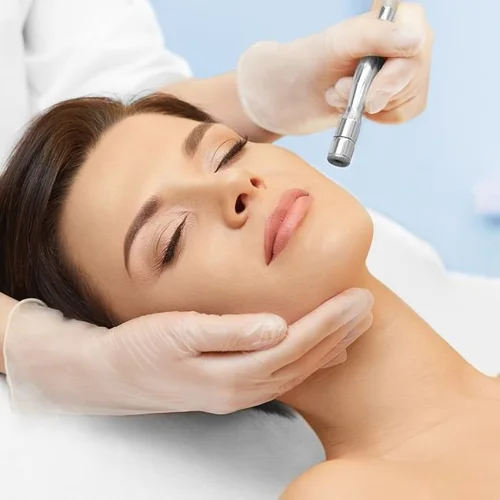
Microdermabrasion is a minimally invasive cosmetic procedure that renews skin tone and texture through exfoliation. A device removes dead skin cells from the outermost layer, revealing a smoother, brighter look underneath.
How It Works on Your Skin
The process supports skin cell turnover, clearing away damaged and dead cells so new skin cells can form. Most sessions last 20 to 45 minutes.
Diamond Microdermabrasion: An Advanced Method
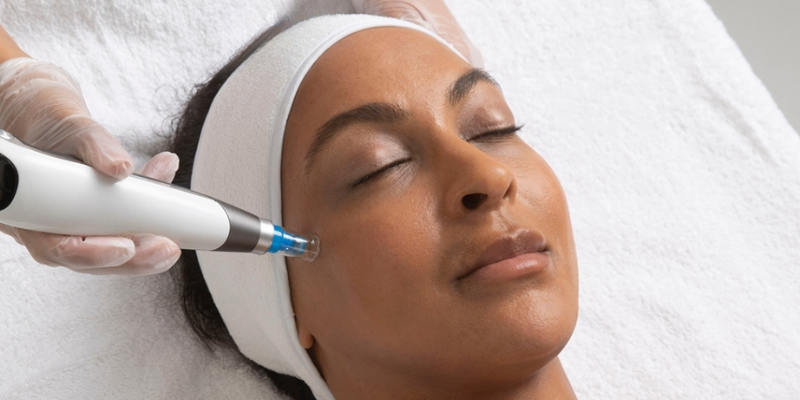
Diamond microdermabrasion treatments use a diamond tip instead of crystals, offering precise pressure control and a gentler feel for delicate or sensitive areas.
Is Microdermabrasion Safe for Sensitive Skin?
Sensitive skin can sometimes tolerate microdermabrasion well, depending on technique and pressure. A skilled provider adjusts intensity, and lower settings reduce friction and irritation.
Is Microdermabrasion Safe for Rosacea-Prone Skin?
This requires extra caution. It may not be suitable during active flare-ups, since rosacea already involves inflamed blood vessels near the surface — friction can worsen redness quickly. The National Rosacea Society recommends discussing these procedures with your dermatologist first (Rosacea.org).
When It May Be Appropriate
Some rosacea patients tolerate treatment during calm periods, with no active flushing, bumps, or flare-ups. A dermatologist should confirm this beforehand.
When to Avoid It
Avoid treatment during active rosacea flares, or with open acne lesions or broken skin. Candidates should also not have significant scarring or deep wrinkles.
Skin Concerns Microdermabrasion Can Treat
It helps with fine lines, enlarged pores, mild acne scars, and superficial scarring. It also fades hyperpigmentation, sun damaged spots, uneven skin tone, and age spots.
Many patients notice improvement in oily skin and fewer whiteheads, with consistent sessions reducing mild acne over time. Some providers treat stretch marks on the arms and offer gentle care around the mouth area.
Anti-Aging Benefits
Regular sessions support real anti-aging benefits by encouraging healthy cellular turnover, helping maintain a glowing, more youthful look over time.
Is Microdermabrasion Painful?
Most patients describe minimal discomfort — typically mild, like light scratching. Skin may appear slightly red for a few hours afterward.
What Happens During an Appointment
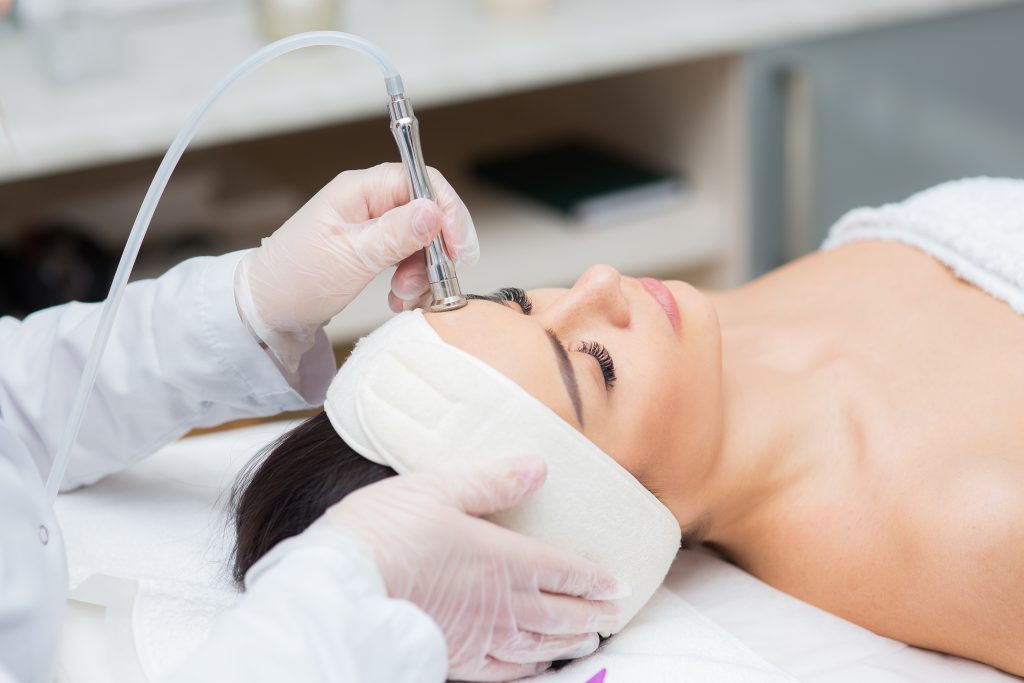
A provider cleanses your skin, then uses the device to exfoliate the surface layer, with suction removing loosened cells. Recovery time is typically minutes, not days.
How Many Sessions Are Recommended
Most patients need five to eight sessions for best results, spaced to allow skin to fully recover. This applies to those without active rosacea concerns.
Microdermabrasion vs. Chemical Peel for Sensitive Skin
A chemical peel works differently, dissolving cells chemically instead of using friction. Some rosacea-prone patients tolerate one better than the other, so professional guidance is essential.
Combining Treatments Safely
Microdermabrasion sometimes combines well with microneedling or gentle chemical peels, but combinations should only be planned by a professional for sensitive skin.
Serving Cherry Hill and South Jersey
Cherry Hill Spa by VouPre welcomes clients from Cherry Hill, Voorhees, Marlton, Haddonfield, and throughout Camden County for microdermabrasion consultations. A local consultation helps assess your specific concerns.
Talk to a Professional Before Booking
A free consultation helps determine candidacy — this matters most for rosacea or very sensitive skin. Your provider can recommend gentler alternatives, like enzyme treatments or lower-intensity settings.
Frequently Asked Questions
Is microdermabrasion safe for rosacea-prone skin?
It depends on your rosacea’s current state. Active flare-ups typically make microdermabrasion unsuitable. Calm periods without redness or bumps may allow gentler treatment. Always consult a dermatologist first, since rosacea patients often have unusually sensitive, reactive skin.
Is microdermabrasion painful for sensitive skin types?
Most patients report mild discomfort, not real pain. Providers adjust pressure and intensity for different skin types. Redness afterward is common but should fade within a few hours.
How is microdermabrasion different from a chemical peel?
While both are non invasive procedures, microdermabrasion physically exfoliates using a device and suction. A chemical peel uses acids to dissolve dead skin cells instead. Sensitive or rosacea-prone skin may tolerate one better than the other.
What happens during a microdermabrasion appointment?
Your provider cleanses skin, then uses a device to exfoliate the surface layer. Sessions last 20 to 45 minutes. Recovery time is typically minutes rather than days.
Can microdermabrasion give me younger-looking skin?
Yes, for appropriate candidates. Regular treatments smooth rough patches and soften fine lines over time. Results vary based on skin type and how well your skin responds.
Final Thoughts
Microdermabrasion offers real benefits for many skin types, but isn’t automatically safe for everyone with rosacea. A consultation remains the safest first step in deciding what’s right for your skin.
Book Your Microdermabrasion Consultation
Have rosacea or sensitive skin and want to know if microdermabrasion is right for you? Book a consultation online or call Cherry Hill Spa by VouPre at +1856-382-7838. We’re located inside Cherry Hill Mall at 2000 Route 38, Cherry Hill, NJ 08002.