Microdermabrasion uses a machine to exfoliate the skin’s surface. Dermaplaning uses a blade to remove dead skin and peach fuzz.
Both treatments improve texture and brightness. Both remove a layer of dead skin cells from the outer layer of your face. The right choice depends on your skin type and specific concerns.
This guide breaks down how each treatment works. You’ll learn which skin concerns each one targets best. We’ll also cover chemical exfoliation and how it compares to both physical methods.
By the end, you’ll understand the main methods of exfoliation available today. You’ll also know which exfoliation method fits sensitive skin, oily skin, or acne prone skin. This makes choosing between treatments far less confusing.
What Is Microdermabrasion, and How Does It Work?
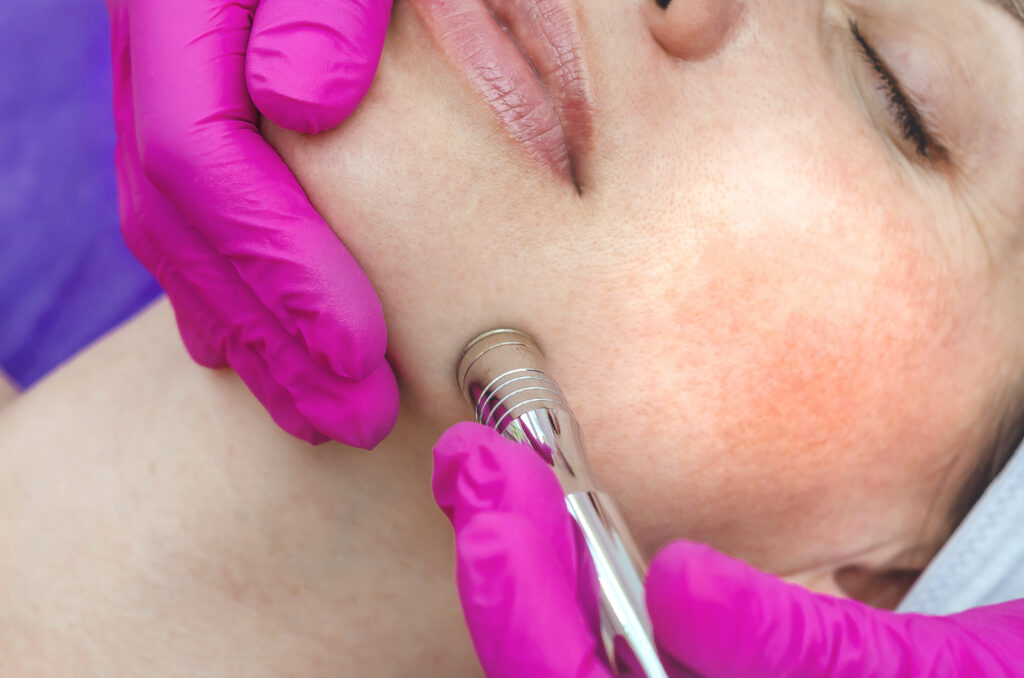
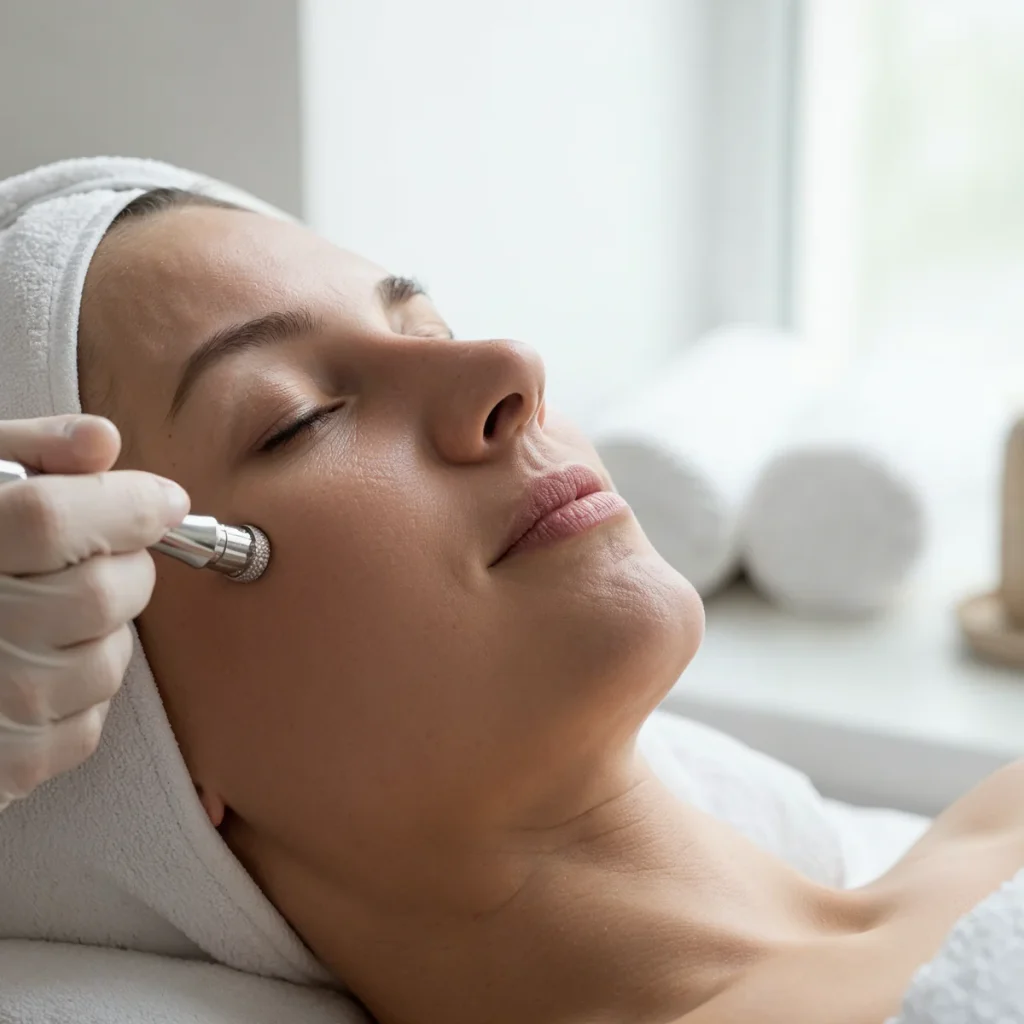
Microdermabrasion is a non-invasive exfoliation method that uses a handheld device to remove dead skin cells. A trained provider moves the device across your skin, using suction or crystals to lift away the outer layer of dead cells.
This mechanical exfoliation stimulates collagen production underneath and reveals smoother skin, often within a single visit. Results improve gradually with a series of treatments, and most providers recommend sessions every few weeks.
What Is Dermaplaning, and How Does It Work?
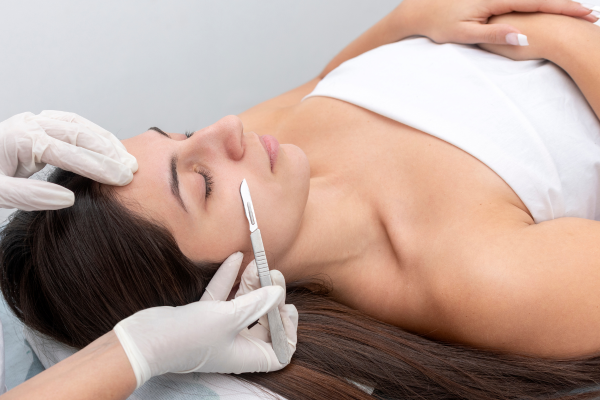
Dermaplaning uses a surgical scalpel for facial exfoliation. A trained provider holds the skin taut and glides the blade across it in short strokes.
This manual exfoliation removes both dead skin cells and peach fuzz — fine facial hair on the skin’s surface — in the same pass. The result is immediately smoother, brighter skin. Sessions typically take about 30 minutes.
Physical Exfoliation vs. Chemical Exfoliation
There are two main methods of exfoliation. Physical exfoliation removes dead skin cells through friction or abrasion, working by direct contact with the skin’s surface using tools, brushes, or abrasive materials.
Chemical exfoliation uses acids to dissolve dead skin cells instead, working below the surface without scrubbing. Common exfoliating acids include AHAs and BHAs, and a chemical exfoliant can reach areas a physical exfoliant might miss. Microdermabrasion and dermaplaning both fall under physical exfoliation.
Microdermabrasion vs. Dermaplaning: Key Differences
Both treatments are forms of mechanical exfoliation, but they work through different tools and techniques.
- Microdermabrasion uses a handheld device with suction or crystals
- Dermaplaning uses a surgical scalpel by hand
- Microdermabrasion typically requires a series of treatments
- Dermaplaning delivers immediate, single-session results
- Microdermabrasion can treat the body; dermaplaning is facial-only
- Dermaplaning removes facial hair; microdermabrasion does not
Your skincare professional will factor in your skin’s surface condition, sensitivity, and goals. This helps narrow down the better exfoliation tool for your first appointment. Cost and appointment length can also factor into the decision, since dermaplaning sessions tend to run shorter than a full microdermabrasion protocol, particularly when treating larger areas of the face and neck together.
What Results Can You Expect From Each?
Both treatments provide immediate visible results after just one session, though they build differently over time. Microdermabrasion requires a series of treatments for cumulative results, while dermaplaning targets dullness and provides smoothness right away. Both treatments have minimal downtime but work differently.
Skin Concerns Each Treatment Treats Best
Microdermabrasion can improve fine lines and acne scars over time, and also helps reduce the appearance of wrinkles. The treatment can unclog pores and reduce blackheads, promoting collagen production with repeated sessions. Many people also use it to soften dark spots and uneven skin tone.
Dermaplaning effectively removes vellus hair, or peach fuzz, and improves skin texture and brightness immediately. The treatment helps skincare products absorb better afterward and can improve makeup application by smoothing the surface — a popular pre-event choice for flawless makeup. It’s also a common choice before professional photography or special occasions, since the immediate smoothing effect photographs particularly well under studio lighting.
Which Treatment Is Safer for Sensitive Skin?
Dermaplaning is generally well-tolerated for sensitive skin, since it avoids harsh chemicals entirely and involves only a light brushing sensation. Many providers describe it as safe for very sensitive skin, and it’s also considered safe during pregnancy since no chemicals are involved.
Microdermabrasion may be too harsh for very sensitive skin, since the abrasive materials or suction can cause irritation in some people. A skincare professional can adjust the intensity for your skin type — lower suction settings help minimize irritation, and a consultation helps determine if this treatment is right for you.
When to Avoid Either Treatment
Microdermabrasion and dermaplaning are not recommended over active acne, since both can spread bacteria or irritate inflamed skin further. Acne prone skin often responds better to chemical exfoliation instead. A skincare professional can help you choose safely, and waiting until breakouts clear is often the better option.
Understanding Chemical Exfoliation: AHAs and BHAs
Chemical exfoliation uses hydroxy acids to dissolve dead skin cells, working differently than physical exfoliation tools. Alpha hydroxy acids and beta hydroxy acids are the two main categories, each targeting different skin concerns and skin types. Polyhydroxy acids offer a gentler option for very sensitive skin.
Alpha hydroxy acids are water-soluble acids derived from fruits — glycolic acid and lactic acid are the most common types. These work on the skin’s surface layer and are often used to improve uneven skin tone and fine lines. The FDA notes that AHAs can increase skin sensitivity to the sun (FDA).
Salicylic acid is the most common BHA used in exfoliants. Beta hydroxy acids are oil-soluble, unlike AHAs, making them well-suited for oily skin and acne prone skin, since salicylic acid can penetrate clogged pores more effectively. The FDA has also reviewed safety data on BHA use in cosmetics (FDA).
Some providers also offer polyhydroxy acid treatments as a starting point for clients who find AHAs or BHAs too irritating, since the larger molecular structure of PHAs slows how deeply they penetrate the skin.
Chemical vs. Physical Exfoliation: Combining the Two
Chemical exfoliants dissolve the bonds between dead skin cells, while physical exfoliants remove them through direct contact. Both approaches can effectively exfoliate the skin barrier, and chemical exfoliation tends to cause less physical irritation, though lower concentrations may still cause redness in some users.
Some providers combine chemical peels with dermaplaning or microdermabrasion to enhance overall results for certain skin types. Chemical peels use glycolic and lactic acids at higher concentrations, so combining treatments requires professional guidance to safely sequence them and minimize irritation.
At-Home vs. In-Office Exfoliation
At-home exfoliation tools cannot match professional-grade equipment. Over-the-counter products often use gentler formulas for safety, while in-office treatments use professional-grade tools that a trained provider can safely exfoliate deeper with — this is why in-office results often look more dramatic.
Many beauty products now include a handheld device for home use, offering a gentler version of in-office microdermabrasion at lower intensity. These can still help remove a layer of dead skin over time, though they can’t fully replace professional treatments for stubborn concerns. Many drugstore scrubs once relied on microplastic beads for exfoliation; environmental and safety concerns have since shifted many products toward natural alternatives instead. At-home dermaplaning tools also exist, typically single-blade razors designed for facial use, though they lack the precision and depth control of a professional treatment.
How to Safely Exfoliate Your Skin
Following a few basic steps helps you safely exfoliate your skin. Start with clean skin and lukewarm water — hot water can strip natural oils and increase redness. Use gentle circular motions if using a manual exfoliation tool, and avoid pressing too hard, since this can damage the skin barrier.
Avoid over-exfoliating, since this weakens your skin’s natural defenses. Most skin types only need exfoliation two to three times weekly. Always follow up with moisturizer to support skin health and lock in hydration. If your skin ever feels tight, raw, or unusually sensitive after exfoliating, that’s a sign to scale back frequency rather than push through it.
Choosing the Right Routine for Your Skin Type
Your skin care routine should reflect your skin type and goals. Dry skin often benefits from gentler, hydrating exfoliants, while oily skin may tolerate stronger BHA products more easily. Personal preference matters too — some people prefer immediate, blade-based results from dermaplaning, while others prefer the deeper, cumulative approach of microdermabrasion. A skincare professional can help you decide with confidence, especially if you’ve never tried either treatment before and aren’t sure how your skin will respond.
Aftercare and Recovery for Both Treatments
Both treatments are non-invasive with no downtime required, and you can return to normal activities right away. Dermaplaning may cause mild, temporary redness immediately after; microdermabrasion can cause similar redness in more sensitive areas. Neither treatment typically requires special recovery time.
Sun protection is essential after either treatment, since skin is more vulnerable to UV rays right after exfoliation. Apply broad-spectrum sunscreen daily, even on cloudy days, and avoid harsh chemicals or exfoliating products for a few days to give your skin time to fully recover. Gentle, hydrating skin care products support the healing process and help maintain smooth, glowing skin between appointments.
Pores, Collagen, and Sun Damage: Additional Considerations
Microdermabrasion is generally more effective for enlarged pores and blackheads, since the suction action helps loosen debris trapped in pores. Dermaplaning doesn’t target pore congestion directly, focusing on surface texture and facial hair instead.
Collagen production naturally slows down as skin ages, and both microdermabrasion and certain chemical exfoliants can help stimulate it, supporting smoother, firmer skin over time. Sun damage and sun exposure can also make skin more reactive to exfoliation from either treatment, so wearing sunscreen daily helps protect your results and prevent worsening dark spots or age spots.
Realistic Timeline for Seeing Results
Dermaplaning delivers its full effect the moment you leave the treatment room, since the dead skin and peach fuzz are physically removed during the session. There’s no waiting period involved.
Microdermabrasion results build more gradually across a series of appointments. Most people notice initial improvement after two or three sessions, with more significant changes to texture and tone appearing after four to six visits spaced a few weeks apart.
How Providers Customize Each Treatment
No two skin types respond identically, so providers typically adjust settings for both treatments. For microdermabrasion, this usually means changing suction strength or crystal flow based on how your skin reacts during the first few minutes.
For dermaplaning, customization comes down to blade angle and pressure, along with how many passes are made over sensitive areas like the jawline or upper lip. A provider treating rosacea-prone or very reactive skin will typically start conservatively and adjust based on your skin’s response.
Seasonal Considerations for New Jersey Skin
In New Jersey, skin sensitivity can vary with seasonal climate changes. Cold winters and humid summers both affect the skin barrier — dry winter air can strip moisture and increase sensitivity to physical exfoliation, while humid summer months may increase oil production and sun exposure risk.
A skincare professional familiar with local climate patterns can recommend gentler options during harsh winter months. This helps you avoid more harm than good year-round, regardless of which treatment you choose.
Frequently Asked Questions
What’s the real difference in microdermabrasion vs dermaplaning results?
Microdermabrasion uses a machine to exfoliate skin. It vacuums away dead cells. Dermaplaning uses a blade instead. It removes dead skin and peach fuzz. Both offer immediate smoothness. Microdermabrasion often needs a series of sessions. Dermaplaning delivers noticeable change after one visit.
What’s the real difference in microdermabrasion vs dermaplaning results? Is dermaplaning better than microdermabrasion for sensitive skin?
Dermaplaning is generally gentler for sensitive skin. It avoids suction and abrasive materials entirely. Microdermabrasion may cause irritation for very sensitive skin types. A skincare professional can help. They’ll assess your skin barrier and sensitivity level before recommending either physical exfoliation method.
Can I use chemical exfoliation and physical exfoliation together?
Yes, but timing matters here. Combining chemical exfoliation with mechanical exfoliation can increase irritation. This happens if done too closely together. Many providers recommend spacing treatments apart. Others alternate between chemical peels and physical exfoliation. This helps you safely exfoliate without overwhelming the skin barrier.
Are alpha hydroxy acids or beta hydroxy acids better for acne?
Beta hydroxy acids, like salicylic acid, are oil-soluble. They penetrate clogged pores more effectively. This makes them well-suited for acne prone or oily skin. Alpha hydroxy acids work more on the skin’s surface instead. They suit dry skin or uneven skin tone concerns better.
How often should I get microdermabrasion or dermaplaning treatments?
Dermaplaning is typically done every three to four weeks. Facial hair and dead skin regrow steadily during this window. Microdermabrasion often follows a similar schedule. It may require an initial series of treatments first. Your skincare professional will recommend frequency based on your skin type.
Final Thoughts
Both microdermabrasion and dermaplaning safely exfoliate the skin. Neither is universally better than the other.
Your skin type and specific concerns should guide the choice. Sensitive skin often does better with dermaplaning. Acne scars and uneven texture may respond better to microdermabrasion.
Chemical exfoliation remains a strong option too, especially for acne prone or oily skin. Many people find success combining methods under professional guidance, alternating between treatments based on how their skin responds each season.
A consultation with a skincare professional remains the best starting point. They can assess your skin barrier and recommend the right exfoliation method. This ensures lasting, natural results that fit your routine and lifestyle.
Book Your Exfoliation Consultation
Not sure which treatment fits your skin? Book a consultation online or call Cherry Hill Spa by VouPre at +1856-382-7838. We’re located inside Cherry Hill Mall at 2000 Route 38, Cherry Hill, NJ 08002.