Muscle sculpt builds muscle and burns some fat through electromagnetic energy. Lipo cavitation uses ultrasound waves to break down stubborn fat cells directly.
These two body contouring treatments solve different problems. This guide breaks down exactly what each one targets. It also covers how to choose between them based on your specific goals.
You’ll learn how each treatment works. We’ll cover what results to expect from each option. You’ll also learn how many sessions you’ll likely need for noticeable, lasting change.
Whether you’re focused on muscle definition, stubborn fat, or both, understanding these differences helps. It leads to a more informed decision before booking a consultation.
What Is Body Sculpting?
Body sculpting covers a range of non-surgical body contouring treatments. These treatments target fat, muscle, or skin without surgery.
Muscle sculpt and lipo cavitation both fall under this category. Both are non-invasive methods, unlike surgical liposuction or other invasive methods. Cosmetic procedures like these have grown increasingly popular as alternatives to going under the knife.
People often confuse the two treatments since both fall under body contouring. Understanding what each one actually targets is the first step toward choosing the right option.
What Is Muscle Sculpt?
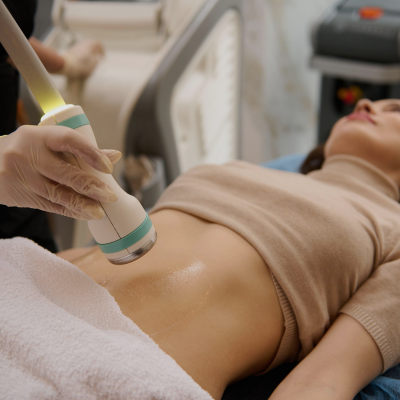
Muscle sculpt refers to a body contouring treatment that combines two energy types in one session.
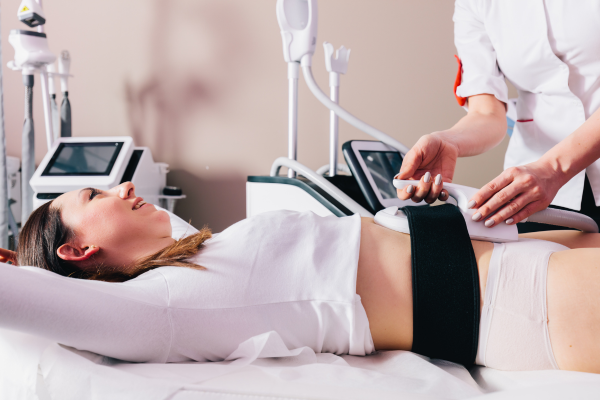
It uses high intensity focused electromagnetic energy for intense muscle contractions. It also uses radiofrequency energy to help burn fat in the same area.
This combination sets it apart from treatments that only address fat or only address muscle. It’s designed for people wanting both muscle definition and modest fat reduction in one treatment plan.
How Muscle Sculpt Works
This treatment triggers thousands of intense muscle contractions per session. These contractions go beyond what voluntary exercise can achieve (Journal of Drugs in Dermatology).
A single muscle sculpt session is often compared to thousands of sit-ups. The radiofrequency portion simultaneously heats fat cells in the treated area.
This combination means the muscle building and fat reduction happen at the same time. They aren’t delivered as two separate steps. That’s part of what distinguishes it from single-purpose devices.
What the Research Says About Muscle Sculpt Technology
Clinical studies on this technology have measured changes using MRI and ultrasound imaging. A systematic review of published research found meaningful fat reductions. Muscle mass also increased across the studies reviewed (Aesthetic Plastic Surgery journal).
Reported outcomes commonly cite fat reduction near 25 to 30 percent. Muscle mass increases fall in a similar range. Individual results vary based on body composition and treatment adherence.
As with most body contouring devices, independent long-term data is still developing. Discussing published study results with your provider helps here. This grounds your expectations in evidence rather than marketing alone.
What Is Lipo Cavitation?
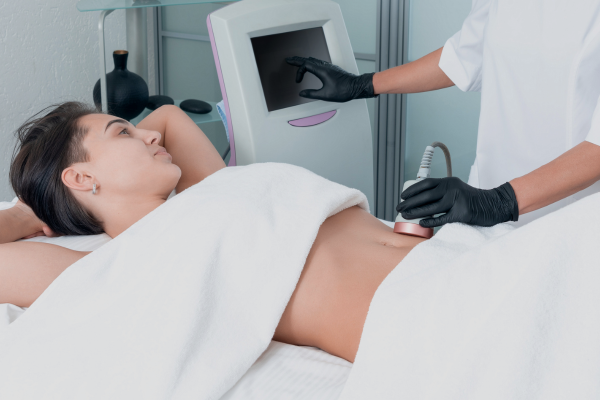
Lipo cavitation, or ultrasonic cavitation, is a non surgical fat reduction method. It uses low frequency ultrasound waves instead of electromagnetic energy.
This ultrasound cavitation procedure targets fat cells directly. It’s often chosen for small, stubborn fat deposits that resist diet and exercise.
How Lipo Cavitation Works
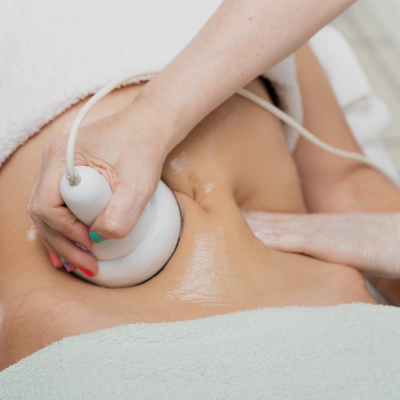
Ultrasound waves cause fat cells to break down into a liquid state. This releases free fatty acids into surrounding tissue.
The body’s lymphatic system then processes and eliminates this liquid fat. Ultrasonic cavitation is a non-invasive alternative to liposuction, with no incisions involved.
The process relies on the body’s own elimination pathways. This means results build steadily rather than appearing all at once.
Skin Tightening: A Secondary Benefit
Some lipo cavitation protocols also support mild skin tightening. This happens as the treated area responds to ultrasound stimulation.
This effect is usually modest, not dramatic. It works best on people with good existing skin elasticity, rather than significant loose skin.
Muscle Sculpt vs. Lipo Cavitation: Key Differences
These treatments target different tissue and produce different results.
- Muscle sculpt builds muscle mass and improves muscle tone
- Lipo cavitation focuses purely on localized fat reduction
- Muscle sculpt uses electromagnetic and radiofrequency energy
- Lipo cavitation uses ultrasound waves alone
- Muscle sculpt sessions last about 30 minutes
- Lipo cavitation sessions last 45 to 75 minutes
- Muscle sculpt suits people already close to their goal weight
- Lipo cavitation suits people with small, specific fat pockets
What Areas of the Body Each Treatment Targets
Muscle sculpt commonly treats the abdominal muscles, buttocks, and calf muscles. It can also address the upper arms and thighs.
Lipo cavitation targets areas of the body with stubborn fat deposits. This includes the abdomen, flanks, thighs, and sometimes the double chin.
Both treatments can be used on multiple areas within the same overall treatment plan. Each area typically requires its own dedicated session time.
Which Treatment Builds Muscle?
Only muscle sculpt actually builds muscle. The electromagnetic energy forces muscle fibers to contract intensely and repeatedly.
Over a series of sessions, this supports real muscle growth. Lipo cavitation does not build muscle mass at all.
Does Muscle Sculpt Improve Athletic Performance?
Some patients report improved core strength after a series of sessions. This isn’t the primary purpose, but it’s a reported side benefit for some.
Muscle sculpt isn’t a replacement for training. It can complement an already active lifestyle. Still, it works best alongside real strength training, not instead of it. Some athletes use it for muscle groups that are hard to isolate through standard training. Results still depend heavily on a consistent overall workout routine.
Which Treatment Burns Fat More Directly?
Lipo cavitation more directly targets fat cells for removal. It’s specifically designed for localized fat reduction and inch loss.
Muscle sculpt also helps burn fat, but as a secondary effect. Its primary purpose remains building muscle and improving firmness.
Results Timeline: Muscle Sculpt vs. Lipo Cavitation
Results from muscle sculpting can improve muscle tone within a few weeks. Fat reduction from the radiofrequency portion tends to appear more gradually.
Results from lipo cavitation typically take 6 to 12 weeks to appear. Fat clears from the body gradually as the lymphatic system processes it.
Blood Flow and Recovery Between Sessions
Both treatments rely on healthy blood flow to support results. Improved circulation helps the body process fat and repair muscle tissue.
Staying hydrated and active between treatment sessions supports this process. Adequate fluids help the lymphatic system clear fat cells more efficiently after lipo cavitation specifically. Light movement, like walking, can also help circulation. This avoids overworking treated muscle tissue right after a session.
How Many Sessions Does Each Require?
Muscle sculpting typically requires fewer sessions than lipo cavitation. Many protocols recommend around four muscle sculpt sessions total.
Lipo cavitation often requires multiple sessions for noticeable results. The exact number depends on treatment area and individual response.
Who Is a Good Candidate for Muscle Sculpt?
Good candidates are close to their target body weight already. Muscle sculpt works best for people with an active lifestyle already in place.
It suits those wanting improved muscle definition or a firmer abdomen. It is not a weight loss treatment or substitute for diet and exercise.
Men and women alike can benefit. The treatment targets muscle groups rather than a specific gender. A consultation helps confirm your fit for treatment. It checks whether your current fitness level and goals align with realistic outcomes.
Who Is a Good Candidate for Lipo Cavitation?
Lipo cavitation suits people targeting small, stubborn fat pockets. Good candidates maintain a healthy and balanced diet already.
It works best for people close to their desired body shape. It is not designed for significant fat loss across large body areas. It’s also not a substitute for major weight loss.
Ideal candidates also don’t smoke and are in generally good health. As with muscle sculpt, a consultation helps confirm candidacy. It also helps rule out any contraindications specific to ultrasonic cavitation.
Who Should Avoid These Treatments?
Certain health conditions call for caution with either treatment. People with a cardiac pacemaker should avoid electromagnetic muscle sculpting devices.
Those with metal implants should also discuss risks with a provider first. People with blood clotting disorders also need caution here. Pregnant women and those with serious medical conditions need medical clearance before treatment.
Anyone unsure about their eligibility should schedule a consultation before booking. A qualified provider will review your full medical history. This confirms which treatment, if any, is appropriate for your situation.
Combining Muscle Sculpt and Lipo Cavitation
Some people combine both treatments for more complete results. Lipo cavitation reduces fat first, then muscle sculpt builds definition underneath.
This combination can address both stubborn fat and muscle tone together. A provider can build a treatment plan around your specific goals.
Building a Personalized Treatment Plan
Every treatment plan should reflect your specific body shape and goals. A provider will evaluate your target areas before recommending a schedule.
Factors like current muscle mass, fat distribution, and lifestyle all play a role. This individualized approach helps set expectations that are both realistic and achievable. Some patients benefit from starting with lipo cavitation to address stubborn fat first. They then transition to muscle sculpt sessions once fat reduction goals are met. Your provider will determine the right sequence and timing based on your specific results.
Both Are Non-Invasive Cosmetic Procedures
Muscle sculpt and lipo cavitation are both non-invasive cosmetic procedures. Neither requires anesthesia, incisions, or significant downtime.
This makes both appealing alternatives to surgical fat removal. Recovery time is minimal, and most patients resume normal activity immediately.
Supporting Results With Diet and Exercise
Neither treatment replaces a healthy lifestyle. Eating fewer carbohydrates and choosing a low glycemic index diet can support fat metabolism.
Staying active, drinking adequate fluids, and following a low calorie diet when appropriate all help. These treatments work best alongside, not instead of, healthy habits.
How These Treatments Compare to Other Weight Loss Methods
Muscle sculpt and lipo cavitation aren’t traditional weight loss treatments. Other weight loss methods, like diet changes or cardio, target overall body weight instead.
These two treatments focus on specific areas of the body rather than total weight. They work best as a complement to, not a replacement for, broader weight loss efforts.
People already following a healthy lifestyle tend to see the most noticeable results. Those still working toward a significant weight loss goal may want to wait. Getting closer to their target weight first often helps.
New Jersey Regulations for Body Contouring Devices
New Jersey regulates devices that penetrate beneath the outer skin layers for body contouring. This oversight helps ensure treatments meet safety standards.
Choosing a licensed provider matters for both muscle sculpt and lipo cavitation. Always confirm your provider follows applicable state regulations.
Choosing Between Treatment Options
Deciding between muscle sculpt and lipo cavitation starts with your primary goal. If muscle definition matters most, muscle sculpt is the more direct choice.
If stubborn fat is your main concern, lipo cavitation targets that more specifically. Many providers offer a consultation to help clarify options. This makes it easier to find the treatment plan that fits your body shape and goals. Some patients find it helpful to bring photos or reference points to their consultation. This helps their provider understand the exact areas and outcomes they’re hoping to achieve.
Common Misconceptions About These Treatments
A common misconception is that either treatment replaces a full weight loss treatment. Neither is designed for reducing significant fat across the entire body.
Another misconception is that results appear immediately. Both treatments require patience, since real change builds gradually rather than overnight.
Some people also assume more sessions always means better results. In reality, following the recommended protocol matters most. This applies to your specific device and treatment area for the most predictable outcome. A provider who deviates from established protocols, rushing sessions or skipping spacing, may produce worse results. Sticking to a proven schedule matters more than session count.
Setting Realistic Expectations
Realistic expectations matter for both treatments. Neither produces surgical-level results in a single session.
Both treatments are backed by published research showing gradual, cumulative improvement over a full treatment plan. Patience and consistency lead to the most noticeable, lasting results. Setting a timeline with your provider upfront helps avoid disappointment. This includes expected session count and spacing, keeping you on track toward your specific goals.
Frequently Asked Questions
Muscle sculpt vs lipo cavitation: which is right for me?
It depends on your goal. Choose muscle sculpt if you want to build muscle and improve tone. Choose lipo cavitation if your main goal is fat reduction in a specific area. Some people combine both for more complete body contouring results.
Does muscle sculpt actually burn fat and build muscle?
Yes. Muscle sculpt treatment combines electromagnetic energy for muscle contractions with radiofrequency energy that heats fat cells. This dual action means it builds muscle while also supporting fat reduction. Lipo cavitation, by contrast, focuses purely on breaking down fat.
How many sessions does lipo cavitation require for results?
Most people need multiple sessions for noticeable results, since fat clears gradually through the lymphatic system. Results typically appear within 6 to 12 weeks. Your provider will recommend a specific number of sessions based on your treatment area and goals.
Are muscle sculpt and lipo cavitation considered invasive methods?
No, both are non-invasive cosmetic procedures. Neither requires incisions, anesthesia, or significant downtime, unlike surgical liposuction. Most patients return to normal activities immediately after treatment. This makes both popular alternatives to more invasive body contouring options.
Can lipo cavitation or muscle sculpt target the same areas of the body?
Yes, they often overlap in treatment areas like the abdomen and thighs. However, lipo cavitation focuses on fat cells specifically, while muscle sculpt targets underlying muscle tissue. Some providers combine both in one treatment plan for comprehensive results.
Final Thoughts
Muscle sculpt and lipo cavitation solve different aesthetic problems. One builds muscle and tone; the other targets stubborn fat directly.
Understanding this distinction helps you choose the right treatment, or combination, for your specific goals. Neither treatment works in isolation from a healthy lifestyle. Both perform best when paired with balanced, consistent habits.
A consultation with a licensed provider remains the best next step. This helps you build a realistic, effective treatment plan tailored to your body and timeline. Clear session count and spacing expectations should be set from your very first appointment.
Book Your Consultation
Ready to find out whether muscle sculpt, lipo cavitation, or a combination fits your goals? Book online or call Cherry Hill Spa by VouPre at +1856-382-7838. We’re located inside Cherry Hill Mall at 2000 Route 38, Cherry Hill, NJ 08002.