Winter presents unique challenges for maintaining body wellness and contouring routines. Colder weather naturally reduces outdoor physical activity, holiday dinners and social gatherings crowd the calendar, and the impulse to hibernate under bulky sweaters can derail long-term consistency. For anyone who has invested in a non-invasive body contouring plan, preserving progress through the winter months requires a proactive strategy.
Ultrasonic cavitation breaks down stubborn, localized fat deposits, but keeping those areas defined depends on supporting your body’s natural elimination systems. This guide explains what maintenance realistically entails after lipo cavitation, what regulatory standards and clinical research report on long-term results, and how to build a dependable winter routine with The Cherry Hill Spa in Cherry Hill, NJ.
Quick Answer: Maintaining Lipo Cavitation in Winter
Ultrasonic lipo cavitation utilizes low-frequency sound waves to target localized fat deposits and is not a treatment for systemic weight loss. Maintaining results throughout the winter requires completing your full recommended treatment series, scheduling maintenance touch-ups as advised by your esthetician, maintaining consistent daily hydration, and engaging in regular physical movement to support lymphatic drainage.
Because non-invasive body contouring provides aesthetic refinement rather than permanent weight control, everyday lifestyle habits remain critical to sustaining your results.
How Does Lipo Cavitation Work?
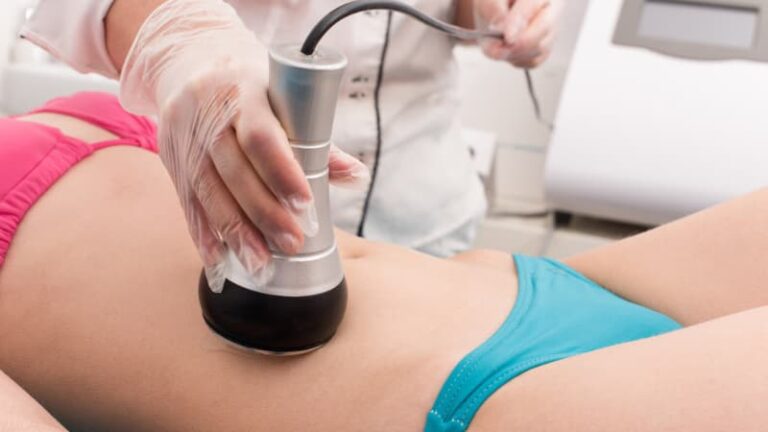
Ultrasonic lipo cavitation sends low-frequency sound waves deep into the subcutaneous tissue using a circular handpiece. These sound waves create microscopic vapor bubbles within the interstitial fluid surrounding fat cells (a process called cavitation).
As the bubbles oscillate and expand, the sudden pressure differential destabilizes the fragile membranes of targeted adipocytes (fat cells), causing them to release their stored triglycerides into the surrounding tissue. From there, the body’s vascular and lymphatic systems transport the fatty acids to the liver, where they are naturally metabolized and eliminated like dietary fats.
Common treatment areas include:
- Abdomen (upper and lower belly)
- Flanks (“love handles”)
- Thighs (inner and outer saddles)
- Upper arms (triceps area)
- Back and bra line rolls
- Glutes and hips
Individual sessions last approximately 30 to 60 minutes, create a soothing gentle warmth with a mild internal buzzing sound, and require zero recovery downtime. Learn more about the technology on our lipo cavitation page.
What Does “Maintenance” Mean for Ultrasonic Cavitation?
Maintenance is divided into two distinct phases:
Phase 1: Completing the Recommended Initial Series
Lipo cavitation is a cumulative process rather than an instantaneous single-visit fix. Most clients achieve optimal contouring through a planned series of 6 to 12 sessions:
- Sessions 1 & 2 (Foundation): Priming tissue circulation and initiating fat cell membrane permeability.
- Sessions 3 & 4 (Visible Progress): Noticeable circumference reduction and skin smoothing.
- Sessions 5 & 6 (Refinement): Sculpting contours and addressing localized asymmetry.
- Sessions 7 to 12 (Enhancement): Advanced body shaping for multiple treatment areas or denser tissue.
Appointments are typically spaced 7 to 14 days apart to ensure the lymphatic system has sufficient time to clear released lipids without metabolic overload.
Phase 2: Ongoing Winter Upkeep
Once your primary series concludes, scheduling periodic maintenance sessions (often every 4 to 8 weeks) helps preserve definition and stimulate localized circulation. Pairing appointments with balanced nutrition prevents remaining fat cells from expanding.
What Do the FDA and Clinical Research Say?
Understanding regulatory benchmarks helps establish realistic expectations for non-surgical treatments.
The U.S. Food and Drug Administration details ultrasonic devices in its guidance on non-invasive body contouring. Critical takeaways include:
- Ultrasonic contouring devices are cleared to improve the visual appearance of localized bulges and reduce circumference; they do not treat obesity or provide systemic weight loss.
- Results reflect aesthetic improvement, and maintenance sessions may be necessary to sustain long-term contours.
- Consumers should confirm that devices are cleared for cosmetic use and operated by properly trained professionals.
Clinical literature evaluating ultrasound-induced lipolysis confirms that non-thermal ultrasound can achieve significant reductions in waist and flank circumference—often ranging between 0.5 to 3 inches over an extended treatment course. Furthermore, peer-reviewed studies emphasize that adjunctive practices, such as active aerobic exercise and manual lymphatic drainage, enhance the metabolic clearance of released fatty acids.
Five Essential Winter Maintenance Habits
Cold weather naturally slows circulation and dampens thirst cues. Incorporate these targeted habits to keep your lymphatic system active:
- Hydrate Deliberately: Cold air suppresses the natural thirst response, but your kidneys and lymphatic channels require water to flush emulsified lipids. Aim for at least 64 to 80 ounces of water daily.
- Engage in Daily Aerobic Movement: Cardiovascular exercise (brisk walking, indoor cycling, or swimming) stimulates muscle contractions that pump lymphatic fluid throughout the body.
- Practice Mindful Holiday Nutrition: Enjoy seasonal gatherings without guilt, but prioritize lean proteins, leafy greens, and fiber-dense foods that support liver metabolism.
- Track Circumference, Not the Scale: Non-invasive contouring changes body measurements and clothing fit rather than overall body weight. Use a flexible tape measure to track waist or thigh inches at monthly intervals.
- Stick to Your Treatment Interval: Avoid letting months lapse between sessions; keeping a consistent schedule prevents regression during low-activity winter months.
For detailed pre- and post-session guidelines, read our complete guide to lipo cavitation aftercare.
Safety Screening and Contraindications
While lipo cavitation is non-invasive and gentle, the ultrasound energy and required metabolic clearance are not suitable for everyone.
Treatment is contraindicated for:
- Individuals who are pregnant or nursing
- Anyone with a cardiac pacemaker, defibrillator, or metal implants within the treatment zone
- Individuals with liver or kidney dysfunction (as these organs process metabolized lipids)
- Those with active blood-clotting disorders or taking anticoagulant medications
- Individuals with severe connective tissue disorders or active skin infections in the area
A thorough health evaluation is completed during your initial consultation to ensure complete safety before treatment begins.
Comparing Options Across Body Contouring
Depending on whether your winter focus is fat reduction, skin firming, or core muscle toning, combining modalities can provide comprehensive results:
- Lipo Cavitation: Uses low-frequency ultrasound to break down localized fat deposits.
- Radiofrequency (RF) Therapy: Uses thermal energy to tighten loose skin and stimulate collagen production.
- Electromagnetic Muscle Sculpting: Uses magnetic stimulation to induce supramaximal muscle contractions for core strengthening.
Explore our comprehensive range of treatment options on our body contouring services page.
Frequently Asked Questions
How long do lipo cavitation results last?
Results can be long-lasting because disrupted fat cells cannot regenerate. However, remaining fat cells in the untreated area can still expand if a calorie surplus occurs. Sustaining results requires balanced nutrition, regular hydration, and periodic maintenance sessions.
Why is water intake so critical after a session?
Ultrasound breaks open fat cell walls, releasing glycerol and free fatty acids into the extracellular space. Drinking plenty of water accelerates lymphatic flow, helping your kidneys and liver filter and expel these lipids efficiently.
Can I receive lipo cavitation during the holidays?
Yes. Winter is an ideal time for treatment because sessions require no downtime, allowing you to attend holiday events immediately while gradually refining your contours beneath seasonal clothing.
Is lipo cavitation painful?
No. Most clients describe the sensation as a soothing, warm massage accompanied by a gentle ringing or buzzing tone in the ears caused by the acoustic ultrasound vibration.
How does lipo cavitation differ from surgical liposuction?
Surgical liposuction is an invasive procedure requiring anesthesia, incisions, cannula suction, and weeks of recovery. Lipo cavitation is entirely non-invasive, pain-free, requires no incisions, and allows you to return to normal daily routines immediately.
Book Your Free Consultation in Cherry Hill, NJ
Protect your investment and maintain your body contouring goals through every cold month. The Cherry Hill Spa is located inside Cherry Hill Mall at 2000 Route 38, Cherry Hill, NJ 08002, proudly serving clients throughout Camden County and South Jersey.
Call 856-382-7838 or schedule your complimentary consultation online today to design a personalized winter maintenance schedule.