By October, the evidence of summer is usually easy to see. Tan lines fade unevenly, patches feel rough, the complexion looks dull, and a few spots seem darker than they did in spring. Many people wonder whether microdermabrasion can reset all of that.
The short answer is that microdermabrasion for sun damage can help refine rough texture and dullness and may soften mild surface discoloration, but it won’t reverse more serious damage. It works on the outermost layer of the skin, so results are gradual and modest, and skin that is still burned or irritated should heal first. This guide explains what to expect at Cherry Hill Spa by VouPre in Cherry Hill, NJ.
What Does Summer Sun Damage Look Like by Fall?
Sun damage rarely shows up as one dramatic change. It tends to show up in small ways: rough or uneven texture, a dull or blotchy tone, dryness, fine lines, and darker spots.
The American Academy of Dermatology explains that how dermatologists treat sun-damaged skin depends on the sign. Microdermabrasion appears on its list of options for wrinkles, age spots and a blotchy complexion, alongside chemical peels, lasers and prescription retinoids. The same page is clear that much sun damage is permanent and that treatment can reduce some signs rather than erase them. It also recommends daily sun protection, even when the weather is overcast or cold.
That context matters. Microdermabrasion is a surface treatment, and it works best when your goals match what it can do.
How Does Microdermabrasion Work?
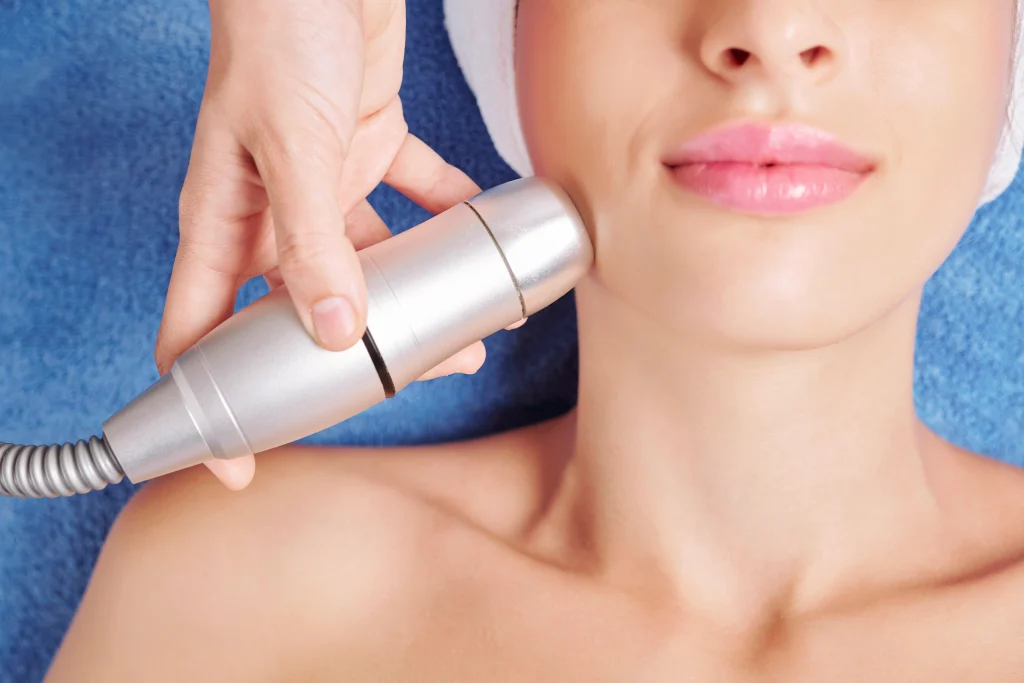
Microdermabrasion is a non-invasive treatment that gently exfoliates the skin’s top layer. Cherry Hill Spa by VouPre uses a diamond-tip handpiece that moves across the skin to sweep away dead cells and reveal fresher skin underneath. The spa lists the procedure itself at about 30 minutes, within a longer appointment that includes cleansing and finishing care.
You may feel a light sanding sensation, but the treatment is not usually painful. Because it only reaches the outer layer, recovery is quick and the treatment is repeated in a series, since skin keeps renewing and aging between visits.
What Can Microdermabrasion for Sun Damage Help With, and What Can’t It?
Setting expectations early prevents disappointment. This table summarizes where microdermabrasion tends to fit after summer.
| Concern | Realistic expectation | Better handled by |
|---|---|---|
| Rough, dull, “tired” texture | Often the best match; skin feels smoother and looks brighter after a series | Not applicable |
| Mild surface discoloration or fading tan lines | May soften the look gradually over several visits | Peels or other treatments if it persists |
| Fine lines | Modest, subtle improvement | Collagen-focused treatments for deeper lines |
| Stubborn dark spots or melasma | Limited effect | A dermatologist, who can advise on peels, lasers or prescription options |
| Active sunburn or peeling skin | Not suitable until healed | Time, gentle moisturizing and sun protection |
| A new or changing mole or spot | Not a cosmetic issue | A dermatologist for a skin check |
Check Your Skin Before Resurfacing
After a sunny summer, any unusual spot deserves a medical check before cosmetic treatment. The AAD’s microdermabrasion FAQs recommend seeing a dermatologist first if a mole or spot is growing, bleeding, or changing. The same page advises checking in if you scar easily or took isotretinoin within the past six months, because those situations can raise the risk of complications.
Don’t polish away a spot that is new, uneven in color, or changing. It is worth a professional look first.
When Should You Wait?
Microdermabrasion removes a layer of skin, so it needs a healthy barrier to start from. If you have a recent sunburn, peeling, stinging, or a fresh tan, tell your provider. They may suggest waiting until your skin has fully settled.
The same applies if you are using exfoliating acids or retinoids at home. Share your routine at your consultation so your provider can adjust the plan. Fall’s cooler weather provides a natural window because it is easier to avoid strong sun while treated skin recovers. If your skin is sensitive or reactive, our guide on whether microdermabrasion is safe for sensitive or rosacea-prone skin explains what to consider.
How Many Sessions and How Often?
Cherry Hill Spa by VouPre suggests about five to eight sessions, spaced roughly two weeks apart, for improved texture. The AAD notes that most patients have between five and 16 treatments, with schedules ranging from weekly to monthly depending on goals and skin type.
Redness is usually brief. The spa says skin may look slightly pink for an hour or two, while the AAD describes redness and mild swelling that last a day or two, similar to a mild sunburn. Both are normal and short-lived.
For a closer look at spacing, see our guide on how often you should get microdermabrasion. A series started early in fall can fit comfortably before the busy holiday season.
Aftercare: Protecting Freshly Exfoliated Skin
Newly exfoliated skin is more vulnerable, so protection is the most important step. The spa finishes each session with sun care, and your provider will give you a plan to follow at home.
- Wear broad-spectrum sunscreen every day, even on cloudy or cool days.
- Avoid tanning beds.
- Use a gentle cleanser and a fragrance-free moisturizer.
- Skip strong acids, scrubs, and retinoids for a few days unless your provider says otherwise.
Good habits between visits help maintain results and reduce the risk of new damage.
Microdermabrasion for Sun Damage in Cherry Hill, NJ
A visit at Cherry Hill Spa by VouPre starts with a consultation to review your skin and goals. The treatment itself includes cleansing, the diamond-tip procedure, a cooling step, and sun protection. The spa is on the second floor of Cherry Hill Mall, next to Nordstrom, making it easy to book around errands.
Frequently Asked Questions
Can microdermabrasion remove sun spots?
It can help soften the look of mild surface discoloration over several sessions, but it does not remove deeper pigmentation. A new or changing spot should be checked by a dermatologist rather than treated cosmetically.
Is microdermabrasion safe right after a sunburn?
Generally no. Skin that is burned, peeling or very sensitive should recover first. Tell your provider about recent sun exposure so they can advise on timing.
How many microdermabrasion sessions will I need?
It depends on your skin and goals. The spa suggests about five to eight sessions about two weeks apart, and your provider will tailor a schedule after your consultation.
Will my skin peel after microdermabrasion?
Most people notice pinkness and a slightly dry feeling rather than true peeling. Redness often fades within hours to a couple of days. Use a gentle moisturizer and sunscreen while your skin settles.
Is fall a good time for microdermabrasion for sun damage?
Fall is a practical time because sun exposure is usually lower and it is easier to protect treated skin. Daily sunscreen is still essential, since UV exposure continues year-round.
Book Your Skin Consultation at Cherry Hill Spa by VouPre
If summer left your skin looking rough or dull, a free consultation is a straightforward place to start. The team at Cherry Hill Spa by VouPre will look at your skin, discuss what microdermabrasion can realistically do and recommend a plan that fits your goals.
Visit us inside Cherry Hill Mall on the second floor, next door to Nordstrom, or call 856-382-7838 to schedule your appointment.