Microdermabrasion physically exfoliates the outer layer of skin using a handheld device, while a chemical peel uses a chemical solution to remove dead skin cells at varying depths. The right choice depends on how deep your skin concern actually sits.
This guide breaks down how each treatment works, which skin concerns they’re best suited for, and how to decide between microdermabrasion vs chemical peel based on your specific skin type and goals.
What Is Microdermabrasion?
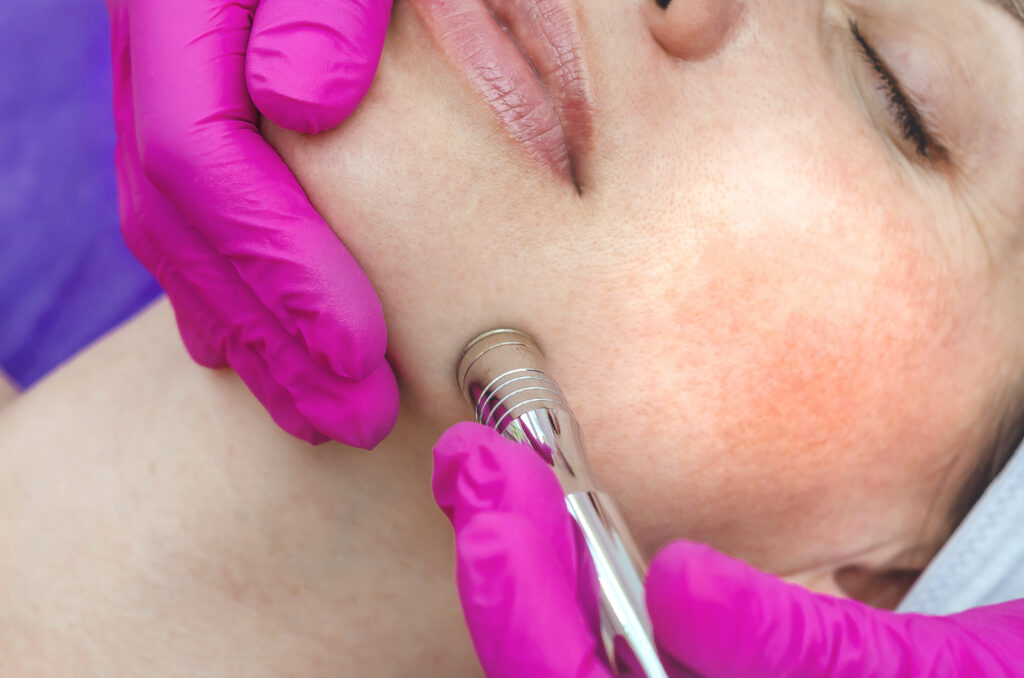
Microdermabrasion is a physical exfoliation treatment that uses a handheld device to gently remove dead skin cells from the outer layer of skin. It treats only the epidermis, making it a surface-level treatment rather than one that reaches deeper skin layers.
Because it’s non-chemical and generally painless, microdermabrasion is often considered a gentler entry point into professional skin resurfacing, particularly for people newer to in-office treatments.
What Is a Chemical Peel?
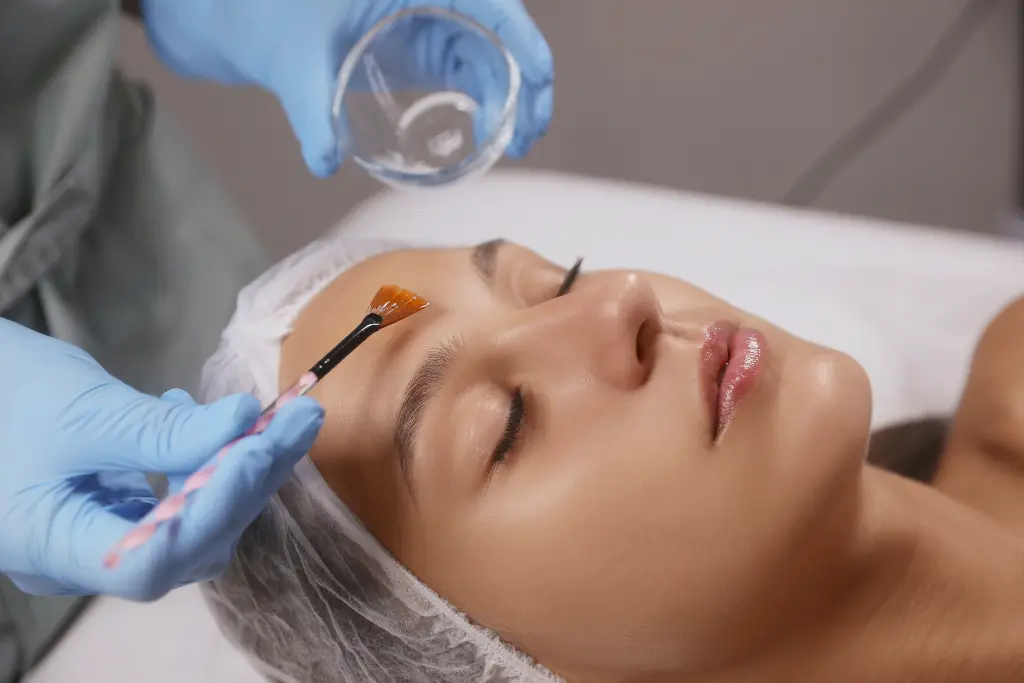
A chemical peel uses a chemical solution, or peeling agent, applied to the skin to trigger controlled exfoliation. As the solution works, it causes the outer layer of skin — and in stronger peels, deeper layers as well — to peel away, revealing new skin cells underneath.
Chemical peels are categorized into light, medium, and deep types, each penetrating to a different depth and addressing different skin concerns.
Types of Chemical Peels: Light, Medium, and Deep
Understanding the three main categories of chemical peels makes it easier to compare them fairly against microdermabrasion.
- Light chemical peel — targets the outermost layer of skin, using alpha hydroxy acids like glycolic acid
- Medium chemical peel — penetrates further using trichloroacetic acid (TCA)
- Deep peel — reaches the mid-reticular dermis layer for the most dramatic results
What Is a Light Chemical Peel?
A light peel is the mildest form of chemical peel, typically using alpha hydroxy acids such as glycolic acid or lactic acid to gently exfoliate the outer layer of skin. It’s often used for mild sun exposure damage, uneven skin tone, and general skin texture improvement.
Because it only affects the surface, a light chemical peel usually causes minimal redness that resolves within about 12 hours, making it comparable in downtime to microdermabrasion.
What Is a Medium Chemical Peel?
A medium chemical peel typically uses trichloroacetic acid to reach further into the skin than a light peel, addressing moderate wrinkles, uneven pigmentation, and more noticeable skin texture concerns. Recovery from a medium peel generally takes about 7 to 14 days, with visible peeling usually starting 2 to 3 days after treatment.
Medium and deep peels require more downtime than microdermabrasion, but they can also address concerns microdermabrasion isn’t designed to reach.
What Is a Deep Peel?
Deep chemical peels penetrate the mid-reticular dermis layer, making them suitable for severe wrinkles, deep scars, and significant sun damage. Recovery from a deep peel can take up to eight weeks, making it the most intensive option among all peel types and far beyond what microdermabrasion involves.
How Microdermabrasion Works
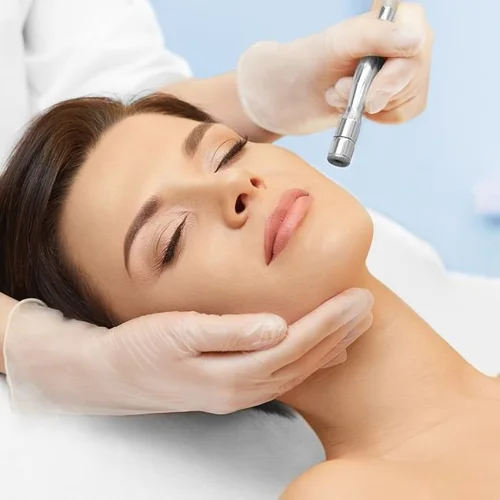
During a microdermabrasion treatment, a device gently abrades the surface of the skin, physically lifting away dead skin cells and unclogging pores. This physical exfoliation process typically takes 30 to 45 minutes for the face, and most patients can return to regular activities the same day.
Because it doesn’t involve a chemical solution, microdermabrasion tends to feel more like a gentle polishing sensation than a chemical exfoliation process.
How Chemical Peels Work
A chemical peel applies an acid-based solution to the skin, which breaks down the bonds holding dead skin cells together. As the treated skin heals, the outer (and sometimes deeper) layers peel away, revealing smoother, more even-toned skin underneath.
The exact chemical exfoliation process varies depending on which type of peel is used, with light peels working only on the surface and deeper peels reaching further into the skin’s layers.
Microdermabrasion vs Chemical Peel: Key Differences
Both treatments exfoliate the skin, but they use fundamentally different methods and reach different depths.
- Microdermabrasion physically removes dead skin cells; chemical peels dissolve them chemically
- Microdermabrasion only treats the epidermis; medium and deep peels reach further into the skin
- Chemical peels often require fewer sessions for noticeable results in deeper concerns
- Microdermabrasion generally has no downtime; medium and deep peels require real recovery time
Which Treats Deeper Skin Concerns?
Chemical peels penetrate deeper than microdermabrasion treatments, which is why they’re generally the better choice for more significant issues. Medium and deep chemical peels can address deeper wrinkles, severe acne scars, and thicker, sagging skin in ways that surface-level microdermabrasion cannot.
If your primary concern involves deep scars, severe wrinkles, or significant sun damage, a chemical peel — particularly a medium or deep option — is more likely to deliver your desired results.
Which Is Better for Superficial Skin Concerns?
Microdermabrasion is effective for superficial skin concerns like fine lines, minor scars, and uneven pigmentation that sit close to the surface. It also improves overall skin texture and tone without the recovery time associated with deeper chemical peels.
For clients managing dry skin, mild clogged pores, or a dull complexion rather than deep scarring or severe wrinkles, microdermabrasion often provides a more comfortable path to a smoother, more youthful appearance.
Common Chemical Peel Ingredients
Different peels use different active ingredients depending on the depth and skin concern being addressed.
- Glycolic acid — an alpha hydroxy acid commonly used in light peels
- Salicylic acid — a beta hydroxy acid often chosen for acne-prone or oily skin
- Lactic acid — a gentler alpha hydroxy acid suited to sensitive or dry skin
- Trichloroacetic acid — used in medium chemical peels for deeper exfoliation
- Retinoic acid — sometimes used to support cell turnover and treat uneven skin tone
Is Microdermabrasion Safe for All Skin Types?
Microdermabrasion is generally safe for all skin types, including sensitive skin, since it doesn’t involve a chemical solution that could trigger an allergic reaction. This makes it a common recommendation for clients who want visible improvement without the risk of chemical sensitivity.
Because it’s non-invasive and gentle, microdermabrasion is often considered lower-risk than medium or deep chemical peels, particularly for first-time clients.
Chemical Peels and Skin Tone Considerations
Chemical peels must be carefully selected based on skin tone to avoid post-inflammatory hyperpigmentation, which can be a concern for darker skin tones undergoing medium or deep peels. A thorough consultation and review of medical history helps providers choose the safest peel depth for each individual’s skin tone and skin conditions.
Microdermabrasion carries a lower risk of this specific complication, since it doesn’t rely on chemical penetration to achieve results.
Downtime and Recovery Compared
Recovery time is one of the biggest differences between these two treatments. Microdermabrasion has no real downtime, while chemical peels can require anywhere from a few hours to several weeks of recovery, depending on depth.
A light peel typically causes redness that resolves within about 12 hours. A medium chemical peel requires roughly 7 to 14 days of recovery, with skin flaking beginning 2 to 3 days after treatment. Deep peels require the most significant commitment, with full healing taking up to eight weeks.
What to Expect During a Chemical Peel
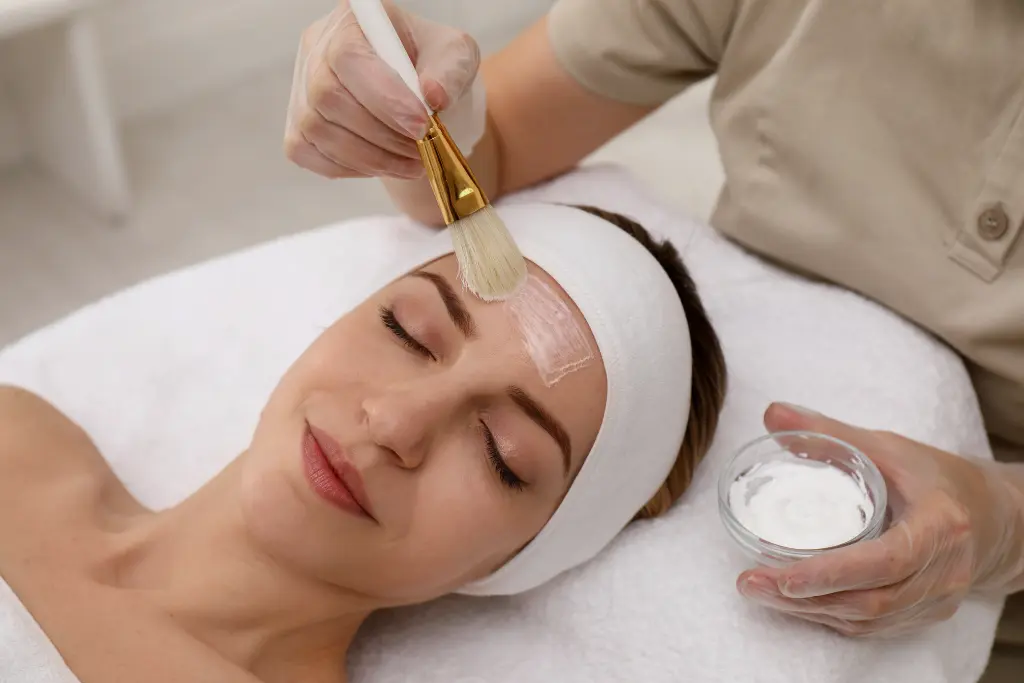
During treatment, a chemical solution is applied to the treated skin and left on for a set amount of time before being neutralized or removed. Many clients report a stinging sensation or mild burning during the peeling process, particularly with medium and deep peels.
A cool compress or over-the-counter pain medicine can help manage discomfort immediately following treatment, especially for medium-depth or deeper peels.
Chemical Peel Aftercare
Proper post-peel skin care is essential for both comfort and results. This includes avoiding sun exposure, applying sun protection diligently, and keeping skin moisturized as it heals and generates new skin.
Because treated skin is more vulnerable during the healing process, following your provider’s proper skin care instructions closely helps minimize complications and supports the best possible outcome.
Microdermabrasion Aftercare
Aftercare for microdermabrasion is far simpler, since there’s no real recovery period involved. Most clients are advised to use sun protection and avoid harsh exfoliating products for a day or two, but there are no restrictions on returning to normal activities immediately.
Who Should Choose Microdermabrasion?
Microdermabrasion suits clients with mild skin concerns — fine lines, minor scars, uneven pigmentation, or dullness — who want a low-risk, no-downtime treatment. It’s also a strong option for those with sensitive skin or a history of allergic reaction to topical treatments.
Who Should Choose a Chemical Peel?
A chemical peel is generally the better fit for clients targeting deeper skin concerns, such as significant sun damage, deep wrinkles, or severe acne scars. Because different types of chemical peels vary so much in depth, a consultation helps determine whether a light, medium, or deep peel best matches your specific skin concerns.
Combining Treatments for Skin Resurfacing Goals
Both microdermabrasion and chemical peels fall under the broader category of skin resurfacing, and some providers recommend combining treatments — or pairing either option with other resurfacing approaches like laser resurfacing — for more comprehensive results over multiple treatments.
Frequently Asked Questions
What’s the real difference in microdermabrasion vs chemical peel results?
Microdermabrasion physically exfoliates the outer layer of skin with no downtime, while a chemical peel uses a chemical solution that can reach deeper layers depending on the type used. Chemical peels generally deliver more dramatic results for deeper concerns, while microdermabrasion suits milder, surface-level issues.
How do I know if I need a light peel or medium chemical peel?
A light chemical peel suits mild sun damage and surface-level texture concerns, while a medium chemical peel addresses moderate wrinkles and more visible pigmentation issues. A consultation with a licensed provider, including a review of your skin type and medical history, helps determine the right depth for your goals.
Are deep chemical peels safe for all skin types?
Deep chemical peels carry more risk, particularly for darker skin tones, where they can increase the chance of post-inflammatory hyperpigmentation. A thorough evaluation of your skin type and tone is essential before undergoing a deep peel, and many providers recommend starting with a lighter option first.
Why is salicylic acid used in some chemical peels?
Salicylic acid is a beta hydroxy acid known for penetrating oil-clogged pores, making it especially useful for acne-prone or oily skin. It’s commonly used in light to medium chemical peels for clients dealing with breakouts, clogged pores, or mild acne scarring.
Is microdermabrasion or a chemical peel better for skin resurfacing?
It depends on your specific skin concerns. Microdermabrasion offers gentle, low-risk skin resurfacing for surface-level issues, while chemical peels — especially medium and deep options — can address deeper concerns like significant wrinkles or scarring, though with more downtime and higher risk involved.
Can microdermabrasion and chemical peels be used together?
Yes, some providers combine both treatments across a series of sessions to address multiple skin concerns at different depths. This approach is typically planned during a consultation, where a provider evaluates your skin type, goals, and medical history to build an appropriate combined treatment plan.
The Bottom Line
Choosing between microdermabrasion vs chemical peel comes down to how deep your skin concern actually sits and how much downtime you’re willing to accept. Microdermabrasion offers a gentle, no-downtime option for surface-level texture and tone issues, while chemical peels — particularly medium and deep options — can reach further to address deeper wrinkles, scarring, and pigmentation. A consultation with a qualified provider remains the most reliable way to match the right treatment to your specific skin.