Winter is widely regarded by estheticians and dermatologists as “peel season,” and the reasoning is largely practical. During colder months, people spend significantly less time under intense direct sunlight, outdoor activities decrease, and seasonal clothing makes it easier to stay covered while fresh skin regenerates.
However, cooler weather also brings dry indoor heating and lower ambient humidity, which can challenge a healing moisture barrier if aftercare is neglected. Understanding the interaction between winter air and acid-based exfoliation helps you achieve a brighter, smoother complexion while minimizing irritation.
This guide explores the primary benefits of scheduling a winter chemical peel, how recovery differs by peel depth, how to protect newly revealed skin in dry weather, and how to plan your treatment with The Cherry Hill Spa in Cherry Hill, NJ.
Quick Answer: Why Get a Chemical Peel in Winter?
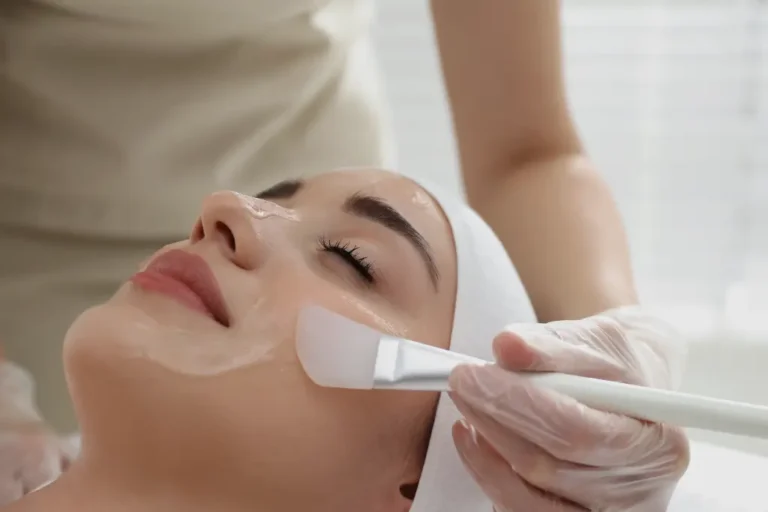
A chemical peel applies a specialized exfoliating solution to loosen and shed damaged outer skin cells, stimulating cellular turnover and revealing a smoother, more radiant complexion beneath.
Winter is an ideal season for peels because lower overall UV exposure reduces the risk of post-inflammatory hyperpigmentation while your skin heals. Recovery varies from minor flaking with light peels to two weeks of peeling with deeper treatments, and daily broad-spectrum SPF 30+ remains essential even in cold weather. A personalized consultation ensures the peel formula is matched to your skin type and schedule.
What Is a Chemical Peel?
A chemical peel is a clinical skincare treatment designed to accelerate cellular renewal. By applying controlled alpha-hydroxy acids (like glycolic or lactic acid), beta-hydroxy acids (such as salicylic acid), or blended chemical complexes, the bonds holding dull, dead surface cells together are dissolved, allowing them to slough off over several days.
At The Cherry Hill Spa, peels are customized based on individual skin goals, baseline sensitivity, and medical history. Treatments are commonly used to target:
- Uneven skin tone, sun spots, and summer hyperpigmentation
- Rough, congested, or dry skin texture
- Fine lines, shallow wrinkles, and loss of skin elasticity
- Acne blemishes and post-breakout scarring
Learn more about available formulas and options on our dedicated chemical peel page.
Why Winter Is the Preferred Season for Peeling
Scheduling a peel between November and March offers several distinct clinical and lifestyle advantages:
- Reduced UV Exposure: Newly peeled skin is temporarily raw, delicate, and highly susceptible to sun-induced pigmentation. Shorter winter daylight hours and more time spent indoors make sun avoidance far more manageable.
- Reversing Summer Sun Damage: Peels help fade the hyperpigmentation, freckles, and uneven texture accumulated during summer beach days.
- Holiday Event Preparation: Booking a gentle series in early winter gives your skin ample time to complete the peeling phase, ensuring a radiant, smooth canvas for holiday photos and gatherings.
- Indoor Healing Comfort: Staying indoors makes it simpler to follow a strict post-treatment regimen of rich barrier creams and gentle cleansing without sweating or environmental pollution.
Understanding Peel Depths and Recovery Timelines
Downtime and visual peeling depend entirely on the strength of the acid solution and how deep it penetrates the epidermis. The American Academy of Dermatology’s chemical peels guide outlines the three standard classifications:
| Peel Category | Penetration Level | Typical Downtime | Expected Skin Response |
|---|---|---|---|
| Light (Superficial / Lunchtime) | Outer epidermis only | 1 to 7 days | Mild redness like a sunburn, followed by light flaking for 3 to 5 days |
| Medium (TCA / Glycolic Blends) | Epidermis and upper dermis | 7 to 14 days | Moderate swelling, redness, and noticeable sheet peeling or crusting |
| Deep (Phenol Peels) | Mid-to-deep dermis | 14 to 21+ days | Intensive medical-grade recovery performed under clinical anesthesia |
Light peels frequently yield optimal results when completed as a series spaced two to five weeks apart. For a detailed breakdown of what to expect after your appointment, review our guide to chemical peel downtime.
Winter Sun Protection: Why SPF Remains Non-Negotiable
A common misconception is that sun protection can be skipped on cold, overcast, or snowy days. Ultraviolet A (UVA) rays penetrate winter clouds and window glass with the same intensity as in summer, and fresh snow can reflect up to 80% of UV radiation back onto facial skin, effectively doubling exposure.
Following a peel, unprotected UV exposure can trigger dark blotches and compromise healing. Follow these sun-safety rules:
- Apply a broad-spectrum, mineral-based sunscreen with SPF 30 or higher every morning, at least 15 minutes before stepping outside.
- Reapply every two hours if you are outdoors or sitting near bright windows.
- Wear wide-brimmed hats or beanies to shield the forehead and perimeter of the face during midday errands.
Safety, Candidate Screening, and Skin-of-Color Considerations
While chemical peels are widely performed, they require thorough screening to ensure safety:
- Skin of Color: Individuals with deeper skin tones (Fitzpatrick types IV–VI) require specialized peel solutions (such as mandelic or lactic blends) to prevent post-inflammatory hyperpigmentation or hypopigmentation. Always work with experienced providers who understand how to treat melanin-rich skin safely.
- History of Cold Sores: Acid exfoliation around the lips can reactivate the herpes simplex virus; prophylactic antiviral medication may be recommended prior to treatment.
- Active Medications: Inform your esthetician if you take oral acne medications (such as isotretinoin), use prescription tretinoin, or take oral contraceptives.
Caring for Peeled Skin in Heated Indoor Environments
Indoor heating systems create dry, parched air that can make flaking skin feel tight and itchy. Support your healing barrier with these guidelines:
- Hydrate with Lipids: Use fragrance-free, ceramide-rich barrier creams to lock in moisture without irritating sensitive pores.
- Never Pick Flaking Skin: Peeling or pulling off shedding skin prematurely can tear healthy underlying tissue and cause scarring or dark marks. Allow dead skin to shed naturally during cleansing.
- Pause Actives: Discontinue retinol, AHA/BHA exfoliants, and vitamin C serums until peeling has completely resolved and your provider gives the go-ahead.
- Use a Room Humidifier: Running a cool-mist humidifier in your bedroom adds ambient moisture that prevents excessive skin tightness overnight.
Looking for a Zero-Downtime Alternative?
If you want smooth, refreshed skin for an upcoming event but cannot accommodate several days of peeling, physical exfoliation may be a better fit.
Our professional microdermabrasion service uses a diamond-tipped wand paired with gentle suction to buff away dull surface dead cells in a single 30-minute session, leaving skin glowing with zero flaking or social downtime. Your esthetician can evaluate which approach aligns best with your schedule and skin goals.
Frequently Asked Questions
Can I get a chemical peel if my skin is naturally dry?
Yes, but the formula must be selected carefully. Hydrating peels formulated with lactic acid or gentle enzyme blends are well suited for dry skin types because they exfoliate while attracting moisture into the upper skin layers.
How soon after a winter peel can I wear makeup?
Following a light superficial peel, mineral-based makeup can typically be applied after 24 hours once initial redness subsides. Following medium peels, you should wait until all peeling and flaking have completed (usually 7 to 10 days) before applying cosmetic foundations.
Why is peeling skin so much more sensitive to cold wind?
The chemical solution removes the stratum corneum—the outermost protective shield of dead skin cells. Until the new skin layer matures, biting winter winds and sub-freezing temperatures can cause stinging, chapping, and redness if not protected with a rich emollient barrier.
How many peels are needed to see results?
While skin feels noticeably smoother after a single light peel, addressing sun damage, hyperpigmentation, or fine lines typically requires a series of three to six treatments scheduled a few weeks apart.
Can I exercise after getting a chemical peel?
Avoid strenuous workouts, heavy sweating, hot yoga, and saunas for at least 48 hours post-treatment. Heavy perspiration can cause stinging, irritate open pores, and induce blistering beneath healing skin.
Schedule Your Winter Peel Consultation in Cherry Hill, NJ
Take advantage of winter’s ideal conditions to reveal fresher, smoother, and more radiant skin. The Cherry Hill Spa is conveniently located inside Cherry Hill Mall at 2000 Route 38, Cherry Hill, NJ 08002, proudly serving clients throughout Camden County and South Jersey.
Call 856-382-7838 or schedule your consultation online today to find the perfect peel formulation for your skin.