Non-invasive body contouring covers several distinct techniques, each with its own results. Cryolipolysis, one common method, can reduce fat by roughly 15% to 28% per treated area.
Other techniques work differently and produce different outcomes. Radiofrequency and ultrasound methods each have their own research behind them. Choosing the right technique depends on your treatment area, skin type, and goals.
This guide covers what non-invasive body contouring actually delivers. You’ll learn how results differ by technique and how many sessions you need. We’ll also cover who makes a good candidate for these procedures. Finally, we’ll compare non-invasive options to surgical choices like liposuction and tummy tucks.
What Is Non-Invasive Body Contouring?
Body contouring is a broad category. It includes both surgical and non-surgical procedures (ASPS).
Non-invasive body contouring refers specifically to non-surgical techniques. These use external technology to reduce fat or tighten skin. No incisions are involved.
Cryolipolysis and radiofrequency energy are two distinct examples. Each is a separate technique within this broader category. They work through different mechanisms and produce different results.
Patients often turn to these treatments after diet and exercise haven’t addressed a stubborn area. Non-invasive body contouring doesn’t replace a healthy lifestyle. It works best as a finishing step for people close to their goal physique.
How Non-Invasive Body Contouring Works
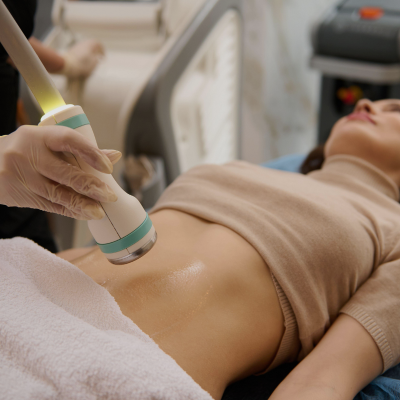
Different techniques work through different mechanisms. Cryolipolysis uses cold temperatures to damage fat cells. The body then clears these cells naturally over several weeks.
Radiofrequency energy heats deeper skin layers instead. This can also tighten loose or sagging skin. Both fall under the non-invasive body contouring umbrella, but they are not interchangeable.
Neither approach damages the outer layer of skin. Providers can safely target specific areas without harming surrounding tissue. This precision is part of why non-invasive treatments carry a strong safety profile.
Non-Surgical vs. Surgical Body Contouring
Surgical body contouring includes liposuction, tummy tucks, and arm lifts. These procedures physically remove excess fat and excess skin (ASPS).
Surgical procedures generally involve anesthesia. Recovery often takes several weeks. Non-invasive body contouring involves no anesthesia and minimal downtime.
Common Non-Invasive Body Contouring Techniques
Several body sculpting procedures fall under this category. Each uses different technology to reduce fat or tighten skin.
- Cryolipolysis (fat freezing)
- Radiofrequency-based fat reduction
- Laser-assisted fat reduction
- Ultrasound-based fat reduction
Each technology has its own body of research behind it. Providers select a technique based on treatment area and skin type. Some clinics offer more than one technology on-site. This lets a provider tailor a plan rather than fitting every patient into a single device.
Comparing Non-Invasive Techniques
Each technique works differently, so results vary by method. Cryolipolysis tends to produce the most researched fat reduction data.
Radiofrequency methods offer added skin tightening benefits. This makes them a good fit for patients with mild loose skin. Ultrasound-based methods target fat at a similar depth, with slightly different heat delivery.
Your provider will recommend the best fit. This depends on your treatment areas, skin type, and personal goals.
Areas of the Body You Can Treat
Non-invasive treatments work well on specific areas of the body. Common treatment areas include the abdomen, thighs, and flanks.
Providers also treat the upper arms, love handles, and double chin. Some techniques address the buttocks as well.
What Results Can You Expect After One Session?
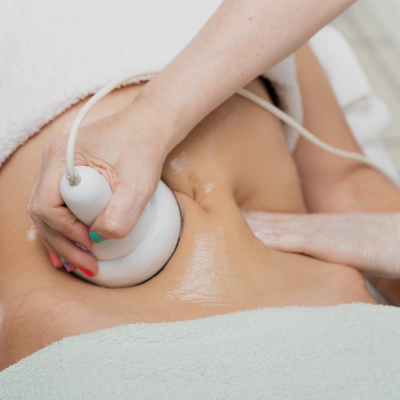
Results after one session depend heavily on which technique you choose. Cryolipolysis has the most robust research behind it. One study found fat layer reductions between 15% and 28% (Plastic and Reconstructive Surgery).
Other techniques, like radiofrequency or ultrasound, have different published outcomes. Results vary based on the technique, treatment area, and individual fat cells.
Many patients report improved clothing fit after their first session. Others notice smoother contours around the treated area within weeks.
How Many Sessions Do Most Patients Need?
Multiple sessions are typically required for noticeable results. Many patients complete two to four sessions per treatment area.
Non-surgical body contouring provides gradual results. This is by design, so change looks natural over time. Session count can also vary by treated area and the amount of fat present. Your provider will confirm an estimated number during your consultation.
Cryolipolysis: What the Research Shows
Clinical research supports meaningful fat reduction from cryolipolysis specifically. A review of 19 studies found average reductions of 15% to 28% (Plastic and Reconstructive Surgery).
This data applies to cryolipolysis, not every non-invasive method. Radiofrequency and ultrasound techniques have separate research with their own results. The goal of contouring body areas is a smoother silhouette. It is not about dramatic weight change.
Skin Tightening Results
Radiofrequency-based treatments can tighten skin over time. This works by stimulating collagen production in treated skin.
Results are gradual, not immediate. Skin elasticity plays a role in how visible tightening becomes.
How Long Do Results Take to Appear?
Most patients see results develop over two to three months. This is because the body needs time to clear damaged fat cells.
Some patients notice early changes within a few weeks. Full results typically take longer to appear.
Recovery Time for Non-Invasive Treatments
Non-invasive treatments usually allow immediate return to daily activities. There is little to no recovery time required (ASPS).
Mild swelling or redness may occur. This typically resolves within a few days.
Recovery Time for Surgical Body Contouring
Surgical recovery typically requires one to two weeks of downtime. Full recovery can take several weeks to months (ASPS).
Patients may need to wear compression garments after surgery. This supports healing and helps the body maintain its new shape.
Safety and Common Side Effects
Non-invasive treatments carry a strong safety record overall. Mild side effects can still occur after treatment.
Common effects include temporary redness, swelling, or numbness. These typically resolve within a few days to weeks. Serious complications are rare when a qualified provider performs the treatment.
Always share your full medical history before starting. This helps your provider confirm the treatment is safe for you.
Certain conditions, like cryoglobulinemia or cold agglutinin disease, rule out cold-based treatments like cryolipolysis. A thorough intake process during consultation is designed to catch these issues early. This is part of why choosing an experienced provider matters so much.
Preparing for Your First Session
A consultation typically comes before your first treatment. Your provider will review your medical history, treatment areas, and goals.
Staying hydrated in the days before treatment can support better results. Avoiding alcohol and maintaining a stable weight also helps your body respond consistently. Most providers recommend wearing comfortable, loose clothing to your appointment. Treated areas need to be easily accessible during the session.
How Age and Skin Elasticity Affect Results
Skin elasticity plays a real role in how visible your results will be. Younger skin with better elasticity tends to tighten more noticeably after fat reduction.
Older skin, or skin with reduced elasticity, may show looseness even after successful fat reduction. In these cases, a provider might pair fat reduction with skin tightening instead.
Who Is a Good Candidate for Non-Invasive Body Contouring?
Good candidates are close to their ideal weight. They often have stubborn fat despite regular diet and exercise.
Body contouring is not suitable for treating obesity. It is not a substitute for healthy weight management or major weight loss.
Who Should Consider Surgical Options Instead?
Patients with significant excess skin may need surgical options. This is common after major weight loss or natural aging.
A tummy tuck removes excess skin and tightens the abdominal wall. An arm lift addresses sagging skin after fat loss. Patients considering surgery should weigh the longer recovery against the more immediate results these procedures deliver.
Setting Realistic Expectations
Realistic expectations are crucial for candidacy. Non-invasive body contouring results are gradual, not dramatic.
A consultation determines individual candidacy. Your provider will review medical history and personal goals before building a treatment plan. Bringing photos or examples of your goal look can help. This helps your provider explain what’s realistically possible.
Why Choosing a Qualified Provider Matters
Provider experience affects safety and results. Look for extensive experience with the specific technology being used.
For surgical procedures, board certification matters most. Look for American Board of Plastic Surgery certification (ASPS).
For non-invasive treatments, ask how many sessions the provider has personally performed on that specific device. Experience with a particular machine can affect comfort during treatment. It also affects consistency of results across sessions.
Body Contouring, Muscle Tone, and Exercise
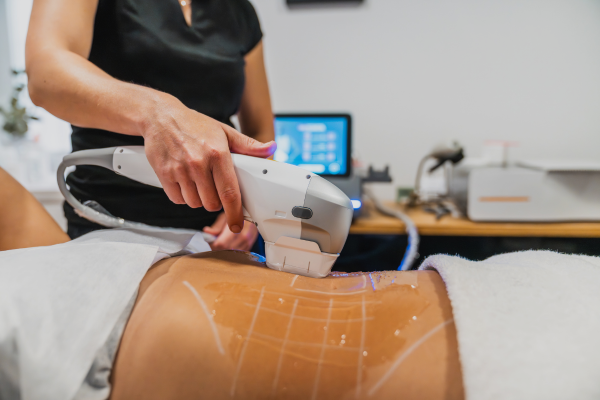
Non-invasive body contouring reduces fat. It does not build muscle tone on its own. Exercise still plays a key role in shaping your own body over time.
Many patients pair treatment with regular exercise. This combination often produces more noticeable, longer-lasting body contouring results. Diet also affects how remaining fat cells behave after treatment.
Maintaining Your Results
Body contouring can improve self-confidence significantly for many patients. Maintaining results depends on stable weight and consistent exercise.
Treated fat cells are permanently reduced. However, remaining fat cells can still grow with weight gain. Significant weight fluctuations after treatment can affect how long results stay visible. Many providers recommend waiting until you’re close to a stable weight before starting treatment.
Frequently Asked Questions
What results can you realistically expect from body contouring?
Results depend on which technique you choose. Cryolipolysis studies show a 15% to 28% fat reduction within the treated area. Other non-invasive methods have separate research with different outcomes. Non-invasive body contouring works best for stubborn, diet-resistant fat rather than significant weight loss.
How is non-invasive body contouring different from liposuction?
Liposuction is a surgical body contouring procedure that physically removes fat. Non-invasive body contouring uses cold or heat-based technology instead. It requires no incisions or anesthesia. Recovery is faster, but fat reduction per session is typically more modest than surgical results.
Am I a good candidate for non-invasive body contouring?
Good candidates are near their ideal weight with realistic expectations. They typically have stubborn fat that hasn’t responded to diet and exercise. It is not designed for major weight loss. A consultation helps confirm candidacy based on your goals and medical history.
How many body contouring sessions will I need?
Most patients need two to four sessions per treatment area for noticeable results. Session count depends on the technique, treatment area, and individual goals. Non-surgical body contouring is designed for gradual improvement. It works through cumulative change rather than one dramatic result.
Does non-invasive body contouring tighten loose skin too?
Some techniques, like radiofrequency energy, can help tighten skin. This works by stimulating collagen production. Results are gradual and depend on existing skin elasticity. Patients with significant loose or sagging skin may prefer surgical body contouring procedures instead.
Final Thoughts
Non-invasive body contouring offers real, measurable fat reduction. Results are gradual, natural-looking, and supported by clinical research.
It works best for stubborn fat, not major weight loss. A consultation helps set realistic expectations for your treatment plan.
Book Your Body Contouring Consultation
Ready to see what non-invasive body contouring can do for you? Book your appointment online or call Cherry Hill Spa by VouPre at +1 856-382-7838. We’re located inside Cherry Hill Mall at 2000 Route 38, Cherry Hill, NJ 08002. Learn more on our body contouring page. Our team can walk you through which technique fits your goals before you commit.