Red light therapy uses low levels of red and near infrared light to support skin health, reduce inflammation, and stimulate cell growth — with research showing real promise for skin, hair, and pain-related concerns. Here’s what the treatment actually treats, how it works, and what results you can realistically expect.
This guide breaks down the science behind red light therapy, the specific conditions it’s used for, and how to safely use red light devices at home or in a professional setting.
What Is Red Light Therapy?
Red light therapy is a form of low level laser therapy, also called low level light therapy, that uses specific wavelengths of red light to stimulate biological processes in the skin. It’s sometimes referred to as low power laser therapy, and it works without heat or ultraviolet rays, making it a noninvasive treatment option.
Unlike tanning beds or other devices that emit ultraviolet rays, red light therapy relies on visible red light and near infrared light, which penetrate the skin without the damage associated with UV exposure.
How Red Light Therapy Works
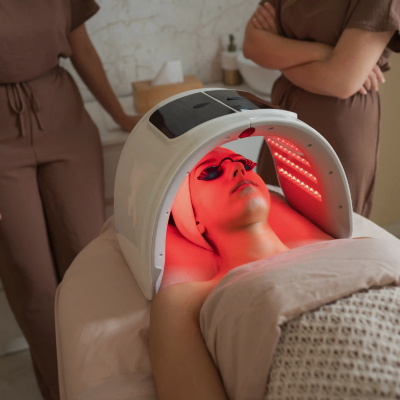
Red light therapy devices typically use wavelengths between 630 and 700 nanometers, delivered through light emitting diodes, or LEDs. These wavelengths are absorbed by cells, where they’re believed to support energy production and promote healing at a cellular level.
Because red light therapy works through light rather than heat or radiation, sessions are generally comfortable, with most people feeling nothing more than mild warmth from the LED lights during treatment. Increased ATP production boosts collagen production in the skin. Consultation with a healthcare professional is advised before starting red light therapy.
Red Light vs. Near-Infrared Light: What’s the Difference?
Red light and near infrared light are often used together in red light therapy treatments, though they penetrate the skin at slightly different depths. Red light tends to work more on the surface layers of skin, while near infrared light reaches deeper into tissue, which is part of why many red light therapy panels combine both wavelengths for broader benefits.
This is different from blue light, which is typically used for surface-level concerns like acne-causing bacteria rather than the deeper cellular effects associated with red and near infrared light.
Is Red Light Therapy Safe?
Red light therapy is safe for short-term use, and unlike tanning beds, it does not increase skin cancer risk the way ultraviolet light does. That said, high levels of red light can cause skin redness and blistering in rare cases, particularly with prolonged or improper use.
The long-term safety of red light therapy devices is not yet fully known, and most studies show red light therapy has potential but need more research to confirm optimal dosing and frequency for various skin concerns.
Skin Conditions Red Light Therapy Treats
Red light therapy treats skin conditions like acne and psoriasis by reducing inflammation and supporting the skin’s natural healing process. It’s also commonly used to address:
- Fine lines and signs of aging
- Uneven skin texture
- Dark spots and pigmentation concerns
- General skin rejuvenation goals
Red Light Therapy for Skin Rejuvenation
One of the most researched applications of red light therapy is skin rejuvenation, since the treatment can reduce wrinkles and improve skin appearance over consistent use. Red light therapy is believed to support collagen production, which helps improve skin firmness and reduce the appearance of fine lines over time.
Regular use as part of a skincare routine may also help with loose skin and overall skin texture, particularly when combined with other skin care practices.
Red Light Therapy for Hair Growth and Regrowth
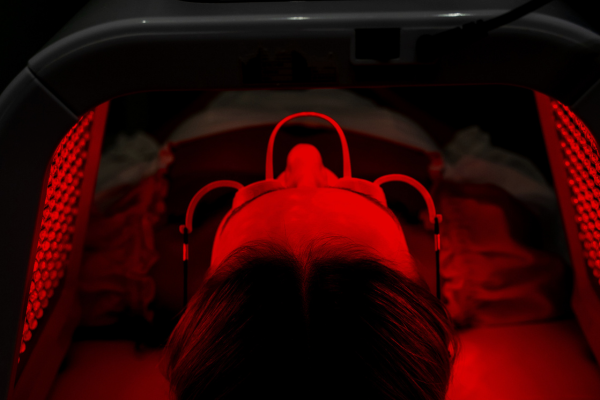
Red light therapy is increasingly used to address thinning hair and hair loss by stimulating hair follicles to support hair regrowth. Two randomized controlled trials have shown measurable improvements in hair thickness and hair growth among participants using red light therapy devices consistently over several months.
While results vary by individual, many people use red light therapy as a noninvasive treatment option to regrow hair without medication or surgical intervention.
Red Light Therapy for Pain and Inflammation
Beyond skin and hair, red light therapy aids in pain management and inflammation reduction by increasing blood flow to treated areas. This improved circulation can promote healing and support faster recovery for minor aches, joint discomfort, and general inflammation-related concerns.
Because it works to relieve pain without medication, red light therapy has become a popular addition to wellness routines focused on natural pain relief and recovery.
Red Light Therapy and Photodynamic Therapy
Red light therapy is also used in photodynamic therapy, a treatment approach sometimes applied for certain forms of skin cancer under medical supervision. In this context, red light is combined with a photosensitizing medication to target abnormal cells, distinct from the cosmetic or wellness applications most people associate with red light therapy.
Where to Get Red Light Therapy Treatments
Red light therapy is available at dermatologists’ offices for medical-grade treatment, but it’s also widely accessible outside clinical settings. You can find red light therapy at spas and estheticians offering it as part of facial or skin rejuvenation services, and it’s increasingly offered in yoga studios and wellness centers as part of recovery and relaxation offerings.
Red Light Therapy at Home: Devices and Masks
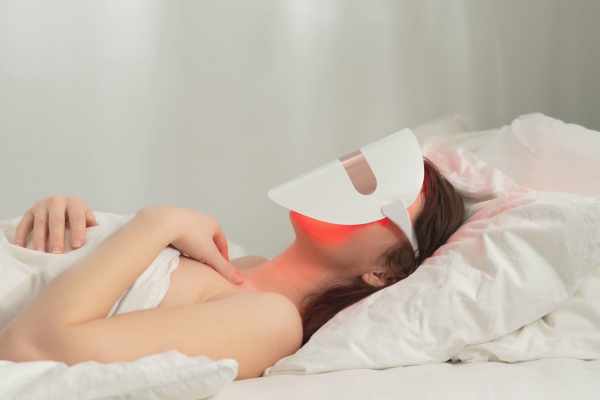
Home devices for red light therapy are widely available online, ranging from red light therapy panels for full-body use to more targeted options like a red light therapy mask. A light therapy mask, often designed as a flexible mask that molds to the face, allows for hands-free treatment of facial skin concerns like fine lines and uneven tone.
These at-home options make light therapy at home increasingly accessible for people who want to incorporate treatment into a regular skincare routine without frequent professional appointments.
Choosing an FDA-Cleared Red Light Therapy Device
FDA approval is important for at-home red light therapy devices, since it indicates a baseline level of safety testing. Many at-home devices are FDA cleared for safety, though it’s worth confirming FDA clearance specifically before purchasing any red light therapy device, since not all products on the market carry the same certification.
Some devices offer multiple light modes for different skin concerns, combining red, near infrared, and sometimes blue light settings within a single led mask or panel. Insurance usually does not cover red light therapy treatments.
How to Safely Use a Red Light Therapy Device
Whether using a professional red light therapy panel or an at-home led light therapy device, following the manufacturer’s guidelines matters for both safety and effectiveness. Some devices recommend that users wear protective goggles during treatment, particularly with more powerful bright lights used in professional settings.
At-home devices are generally less powerful than professional ones, which typically makes them safer for unsupervised use, though following instructions on session length and frequency still matters.
Red Light Therapy for Darker Skin Tones
Red light therapy is generally considered a safe treatment options for darker skin tones, since it doesn’t rely on the same mechanisms that can trigger post-inflammatory hyperpigmentation in other treatments. Because red light therapy works through light absorption rather than physical exfoliation or chemical reaction, it tends to carry lower risk across a range of skin tones compared to some other skin care procedures.
What Does the Research Say?
Much of the existing research on red light therapy comes from a mix of small clinical studies and randomized controlled trials, particularly in areas like hair regrowth and wound healing. While findings are generally positive, most studies show red light therapy has potential but need more research before conclusions can be considered definitive across all skin concerns and health conditions.
How Often Should You Use Red Light Therapy?
Consistency tends to matter more than session length when it comes to red light therapy treatments. Many providers and device manufacturers recommend several sessions per week over multiple weeks before expecting to notice meaningful changes in skin texture, hair thickness, or inflammation-related symptoms.
What to Expect During a Session
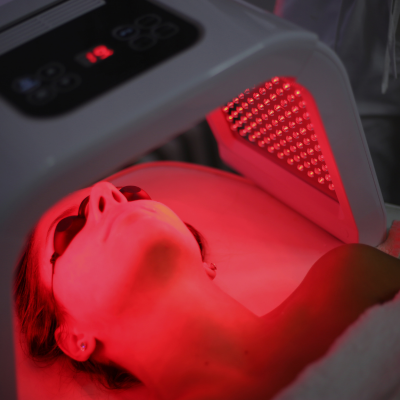
During a typical red light therapy session, you’ll sit or lie near a red light therapy panel, or wear a light therapy mask, for a set period of time — often 10 to 20 minutes. Most people find the experience relaxing, since there’s no pain involved and receiving treatment simply requires staying still while the LED lights do their work.
Red Light Therapy vs. Tanning Beds and UV Exposure
It’s worth clearly distinguishing red light therapy from tanning beds, since both involve light exposure but work in fundamentally different ways. Tanning beds rely on ultraviolet rays that damage skin cells and increase skin cancer risk, while red light therapy uses non-UV wavelengths that don’t carry the same risk profile.
Building Red Light Therapy Into Your Skincare Routine
For many people, red light therapy works best as one part of a broader skincare routine rather than a standalone solution. Pairing consistent red light therapy sessions with proper cleansing, moisturizing, and sun protection tends to produce more noticeable improvements in skin health over time.
Frequently Asked Questions
Is red light therapy safe for regular use?
Red light therapy is generally considered safe for short-term use and doesn’t carry the skin cancer risk associated with UV exposure. However, long-term safety data is still limited, so following device instructions and avoiding excessive session length or frequency is recommended for the best outcome.
How do red light devices differ from LED light therapy masks?
Red light devices often include panels for treating larger areas of the body, while an LED light therapy mask, typically a flexible mask, targets the face specifically. Both use light emitting diodes, but the mask format allows for hands-free, targeted facial treatment during a session.
Can red light therapy help with hair regrowth?
Yes, research including two randomized controlled trials has shown red light therapy can support hair regrowth and improve hair thickness in people experiencing thinning hair. Results typically require consistent use over several months, and outcomes can vary based on the underlying cause of hair loss.
Is light therapy at home as effective as professional treatments?
Light therapy at home can be effective, though at-home devices are generally less powerful than professional red light therapy panels used in clinical settings. Consistency and proper device selection matter significantly, so choosing an FDA-cleared device and following recommended usage guidelines helps maximize results.
Does red light therapy work for darker skin tones?
Yes, red light therapy is considered a safe option for darker skin tones since it works through light absorption rather than chemical or physical exfoliation. This makes it a lower-risk option compared to some treatments that carry a higher chance of triggering hyperpigmentation in deeper skin tones.
What does FDA clearance mean for a red light therapy device?
FDA clearance indicates that a device has met specific safety and manufacturing standards required for sale in the United States. When shopping for an at-home red light therapy device, checking for FDA clearance helps ensure you’re using a product that has undergone appropriate safety evaluation.
How long does it take to see results from red light therapy?
Most people using red light therapy treatments consistently begin noticing changes in skin texture or hair thickness after several weeks of regular sessions. Because red light therapy relies on gradual cellular changes, patience and consistency play a bigger role in results than any single session.
The Bottom Line
Red light therapy offers a noninvasive, generally well-tolerated approach to supporting skin health, hair regrowth, and inflammation-related concerns, backed by a growing body of research. While more research is still needed to fully confirm long-term outcomes across every use case, current evidence supports its role as a useful addition to both professional treatment plans and an at-home skincare routine.